Blog
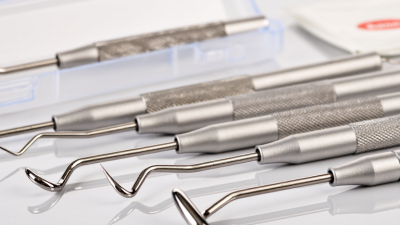
China Best Dental Scaler Set for Global Buyers
Choosing the right Dental Scaler Set can influence clinical comfort, instrument control, and long-term purchasing value. For global buyers, the decision involves more than a polished product photograph. It requires careful attention to working-end design, stainless-steel quality, handle balance, packaging, and sterilization compatibility.
Small details matter. A scaler should feel stable between gloved fingers. Its tip should reach narrow spaces without unnecessary pressure. The surface should remain smooth after repeated cleaning cycles. These qualities support safer, more consistent clinical routines. Dr. Gordon J. Christensen, a respected prosthodontist and dental educator, has emphasized, “Clinical success depends on details.” That principle fits instrument purchasing well.
A reliable Dental Scaler Set should include clear specifications, inspection records, and practical product images. Buyers may also review hardness, corrosion resistance, ergonomic grip, and available replacement policies. Supplier communication matters, especially when orders cross borders. Ask about sample approval, batch consistency, labeling, and shipping protection. A damaged box can reveal weak quality control.
Not every attractive set performs equally. That deserves honest attention. Some handles feel comfortable at first but become tiring during longer procedures. Some tips look sharp but lack consistent finishing. The lowest price may also hide avoidable limitations. Experienced buyers compare measurable features instead of trusting broad promises. They check details repeatedly. That habit improves confidence.
This guide examines key selection factors for a dependable Dental Scaler Set. It considers clinical usability, manufacturing consistency, supplier credibility, and purchasing practicality. The goal is simple: help global buyers choose instruments that perform reliably, arrive safely, and support professional dental care.
Read more »
 By:Oliver Hayes
- September 24, 2026
By:Oliver Hayes
- September 24, 2026
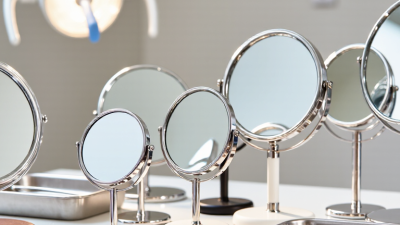
How to Choose Dental Front Surface Mirrors?
Choosing the right Dental Front Surface Mirrors can influence visibility, precision, and everyday comfort during treatment. Unlike rear-surface mirrors, their reflective coating sits above the glass. This design helps reduce double images and unwanted ghosting. The difference becomes noticeable when examining narrow posterior areas or fine restoration margins.
A practical selection begins with image quality. Look for a sharp reflection, consistent brightness, and minimal distortion near the edges. Test the mirror under the operatory light, not only in a showroom. Check several viewing angles. A No. 5 mirror may suit general procedures, while smaller sizes can improve access around crowded teeth. Handle balance matters too. A mirror that feels heavy after ten minutes may slow clinical work. Small details matter.
Sterilization compatibility deserves equal attention. Confirm the manufacturer’s instructions for autoclaving, chemical exposure, drying, and storage. Inspect the surface for scratches, peeling, cloudy areas, or tiny coating defects. These problems can appear gradually. They may be easy to overlook. Reliable brands should provide material information, validated processing guidance, and consistent quality documentation. Independent clinical feedback can add useful perspective, although personal preference is never the whole answer.
There is no perfect mirror. A highly reflective surface may still show glare under certain lights. A lightweight handle may feel less stable for another clinician. Consider your procedures, hand position, lighting system, and maintenance routine together. The best choice is not always the most expensive model. It is the one that delivers a clear image, safe reprocessing, and dependable handling in real clinical conditions. Reassess the choice after regular use. Your first decision may need refining.
Read more »
 By:Ethan Blake
- September 24, 2026
By:Ethan Blake
- September 24, 2026
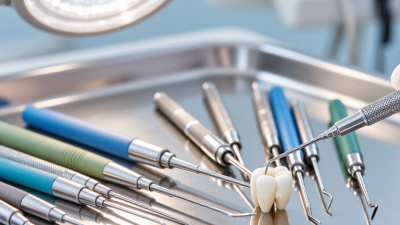
How to Choose Root Canal Explorers for Your Practice?
Choosing the right Root Canal Explorers can influence every stage of endodontic treatment. These small instruments help clinicians locate canal orifices, trace narrow pathways, and assess calcified chamber floors. Their value becomes obvious when visibility is limited and tactile feedback matters more than appearance.
Dr. Stephen Buchanan, a respected endodontist and educator, has stated, “Access is the key to success in endodontics.” That principle applies directly to explorer selection. A well-designed explorer should provide a controlled tip, dependable rigidity, and enough flexibility for delicate exploration. The handle should also support a stable grip during repeated clinical movements. Small details matter here. A sharp tip may improve detection, but excessive sharpness can damage dentin or soft tissue. More rigidity can aid penetration, yet it may reduce sensitivity in curved anatomy.
This guide examines practical factors behind a reliable choice. It considers tip design, shaft flexibility, handle comfort, sterilization compatibility, and durability after repeated use. Clinical experience suggests that no single explorer suits every case. That is the uncomfortable part. Product descriptions rarely reveal how an instrument feels inside a calcified canal. Personal technique, magnification, and chamber anatomy can change the result. Therefore, clinicians should compare instruments under realistic conditions, not rely only on brand reputation or marketing claims. A carefully selected Root Canal Explorers set should support precision, tactile awareness, and conservative treatment decisions. The best choice is often the one that feels predictable, not impressive.
Read more »
By:Oliver Hayes
- September 24, 2026