Choosing the right Heavy Duty Cuticle Nippers requires more than comparing prices or polished product photos. Global buyers need dependable cutting performance, comfortable handling, and consistent manufacturing quality. A strong pair should close smoothly, grip firmly, and create a clean cut without excessive pressure. Stainless steel construction, precise jaw alignment, durable springs, and secure rivets deserve close attention. Small details matter.
This guide examines ten leading options for professional salons, beauty retailers, distributors, and demanding home users. Each model is considered through practical factors, including sharpness, handle comfort, corrosion resistance, maintenance needs, packaging, and supplier reliability. Product specifications can look impressive, yet real performance may vary between batches. That limitation deserves honest attention. No single nipper suits every buyer.
During evaluation, imagine the tool in daily use: a technician holding it for several hours, a buyer checking hinge movement, or a distributor inspecting dozens of units under bright warehouse lighting. These details reveal weaknesses that marketing language often hides. Buyers should also confirm material grades, quality-control procedures, warranty terms, and shipping protection before placing large orders. Samples help, but they cannot predict every production issue. Careful testing remains essential. This comparison aims to provide a practical, evidence-based starting point for selecting Heavy Duty Cuticle Nippers with confidence.
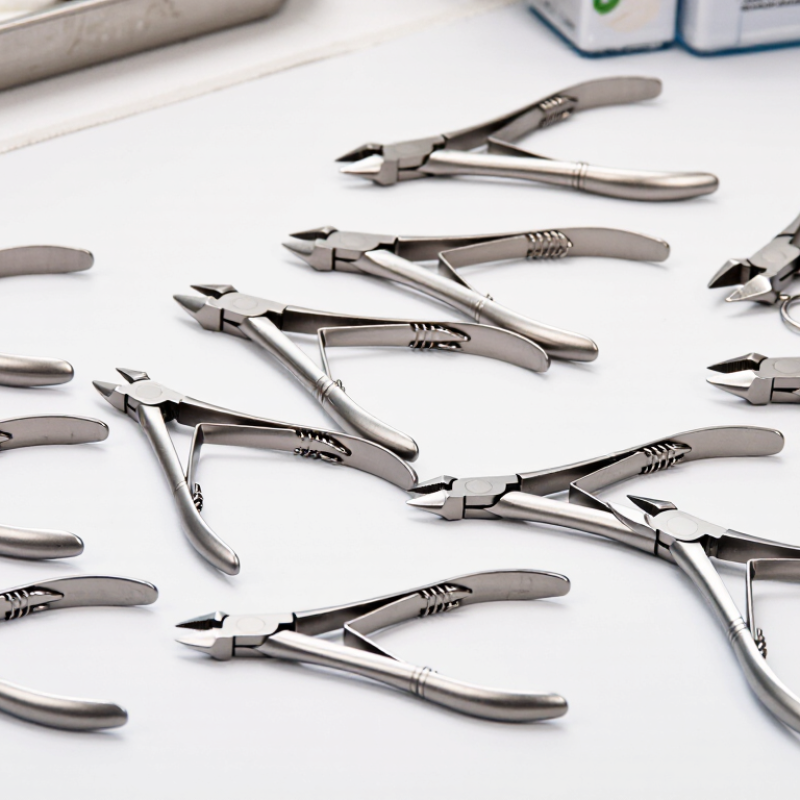
Professional cuticle nippers must offer controlled strength, not simply a heavier frame. In salon work, technicians often handle hardened, overgrown cuticle around busy schedules. A well-balanced nipper reduces wrist strain and supports accurate trimming. The jaws should meet evenly, without daylight between the cutting edges. Smooth alignment matters more than impressive weight.
Durable stainless steel helps resist corrosion during routine cleaning, disinfection, and drying. However, no tool stays reliable without maintenance. Technicians should inspect the hinge, spring, and jaw after each shift. A loose joint can pull tissue instead of cutting cleanly. That feels small, but it can affect client comfort and precision. Textured handles also improve control when gloves become slightly damp.
Professional models usually include a narrow jaw for tight corners and a firm return spring. The cutting action should feel crisp, never gritty or forced. Test the motion under bright light. Look closely. A heavier tool is not automatically better. Excess weight may tire the hand during repeated services. Even experienced technicians can misjudge this point. I have found that comfort often matters more after several hours than during a short product test. Buyers should compare jaw length, grip shape, cleaning requirements, and replacement-part availability before choosing among heavy duty cuticle nippers.
When comparing heavy duty cuticle nippers, inspect the steel before judging the appearance. Professional-grade stainless steel should resist staining and remain stable after repeated cleaning. A smooth hinge matters because rough movement can pull delicate skin. Test the joint slowly. It should open without grinding or sudden looseness.
Jaw alignment deserves close attention. The cutting edges should meet evenly from heel to tip, leaving no visible gap. A narrow jaw improves access around small nail corners, while a wider jaw may feel stronger for thicker cuticles. Neither shape suits everyone. Handle length also changes control. Longer handles can increase leverage, but they may cause hand fatigue during detailed work. The spring should return gently, not snap against the fingers. Grip texture helps when hands are damp, though overly sharp patterns can become uncomfortable.
I once preferred the heaviest tool available. That choice was not entirely wise. Weight can suggest durability, but balance usually matters more during repeated use. Check the finish around the pivot, since tiny metal burrs may catch skin or gloves. Confirm that the tool can be cleaned according to its care instructions, and dry it fully before storage. A protective cap can reduce accidental contact with the cutting edge. For reliable purchasing, compare jaw precision, hinge consistency, handle comfort, maintenance needs, and documented material details rather than relying on photographs alone. Small testing flaws can reveal more than polished marketing language.
For global buyers, heavy duty cuticle nippers should deliver clean control, not excessive force. A practical top-ten shortlist begins with hardened stainless steel, sharp precision jaws, and a stable double-spring design. These details matter during repeated salon work. A balanced handle reduces wrist strain. A narrow jaw reaches small cuticle areas. Smooth pivot movement prevents sudden catching.
Look for ten useful qualities: corrosion resistance, consistent jaw alignment, comfortable grip, firm tension, easy cleaning, replaceable springs, protective packaging, clear size information, batch inspection, and dependable supplier communication. Polished surfaces are helpful, but they do not prove durability. Ask for material details and close-up production images. Sample testing is wiser than trusting a perfect product description. I once overlooked handle pressure during evaluation. That small mistake affected longer sessions.
Global buyers should also check packaging strength, carton labeling, and storage instructions before placing larger orders. Moisture-resistant wrapping can protect tools during extended shipping. Each nipper should open smoothly and close without a visible gap. Test several pieces from different cartons. Quality can vary more than expected. A supplier with documented inspections, responsive communication, and traceable batches offers stronger reliability. Still, no heavy-duty nipper suits every hand. Professional users may prefer a compact jaw, while high-volume technicians often need stronger spring resistance. Performance should be judged through real handling, repeated cleaning, and careful inspection.
The chart ranks ten anonymous heavy-duty cuticle nipper profiles using a 100-point buyer suitability index. The index combines cutting performance, stainless-steel durability, handle ergonomics, precision of the jaw, and suitability for international purchasing. Higher scores indicate a stronger overall balance for professional and wholesale buyers.
Top 10 Heavy Duty Cuticle Nippers for Global Buyers?
Safety begins with controlled movement, not extreme sharpness. A reliable cuticle nipper should close evenly, without jaw gaps or sideways slipping. Inspect the hinge under bright light. Loose joints can pinch skin and reduce cutting accuracy. The cutting edges should meet cleanly, with no burrs or rough points. Use the tool only on loose, nonliving cuticle tissue. Cutting healthy skin creates unnecessary injury risks. Buyers should request material specifications, inspection records, and clear cleaning instructions from suppliers.
Comfort affects control during repeated professional use. Look for handles that fit different hand sizes and a spring that returns smoothly. Excessive spring tension can tire the thumb. A wider handle is not always more comfortable. It may feel stable at first, then create pressure near the fingertips. Test several samples for ten minutes, not just a few seconds. Check whether the grip remains secure with lightly damp hands. Small details matter.
Cutting performance should feel precise rather than aggressive. Test the nippers on suitable practice material before evaluating live service use. The jaws should slice cleanly, without crushing or pulling. Compare opening width, edge alignment, hinge resistance, and repeated cuts. A highly polished surface can look impressive but reveal little about durability. No inspection method catches every weakness. Recheck the tool after cleaning and storage. Global buyers should also confirm packaging protects the tips during shipping and that product documents match the actual sample.
| Rank | Generic Product Profile | Overall Score | Material & Finish | Total Length | Cutting Edge | Recommended Cuticle Thickness | Handle Comfort | Safety Features | Sterilization Compatibility | Best Use Case |
|---|---|---|---|---|---|---|---|---|---|---|
| 1 | Professional 5 mm Box-Joint Nipper | 9.4 / 10 | 420 stainless steel; satin anti-glare finish | 115 mm | 5 mm, fine pointed jaw | Thin to medium; approximately 0.5–1.0 mm | Excellent; balanced grip and moderate spring tension | Locking clasp, rounded exterior, controlled jaw opening | Suitable for autoclave, dry heat, and approved disinfectants | High-volume professional manicure work |
| 2 | Heavy-Duty 7 mm Full-Jaw Nipper | 9.2 / 10 | 420 stainless steel; polished corrosion-resistant finish | 120 mm | 7 mm, wider cutting surface | Medium to thick; approximately 0.8–1.5 mm | Very good; longer handles reduce hand pressure | Safety lock, non-slip finger rests, reinforced pivot | Suitable for autoclave and dry heat when manufacturer limits are followed | Thicker cuticle and extended service use |
| 3 | Short-Handle Precision Nipper | 9.0 / 10 | Stainless steel; fine brushed finish | 105 mm | 4 mm, precision pointed jaw | Thin; approximately 0.3–0.8 mm | Excellent control; compact hand span | Protective jaw cap recommended; smooth closing action | Suitable for chemical disinfection and heat sterilization | Detailed edge work and smaller nail areas |
| 4 | Double-Spring Ergonomic Nipper | 8.9 / 10 | 420 stainless steel; matte anti-slip handles | 118 mm | 5 mm, semi-pointed jaw | Thin to medium; approximately 0.5–1.2 mm | Excellent; double spring distributes return force | Rounded handles, controlled opening, replaceable spring design | Suitable for autoclave and approved immersion disinfectants | Repeated professional use and reduced hand fatigue |
| 5 | Offset-Head Heavy-Duty Nipper | 8.7 / 10 | Stainless steel; satin finish with corrosion protection | 116 mm | 6 mm, offset cutting head | Medium; approximately 0.7–1.3 mm | Very good; offset head improves line of sight | Safety latch, guarded pivot, moderate jaw travel | Suitable for heat sterilization and professional disinfectants | Improved visibility around curved nail folds |
| 6 | Wide-Grip Comfort Nipper | 8.6 / 10 | Stainless steel jaws; textured polymer comfort sleeves | 122 mm | 6 mm, rounded pointed jaw | Medium to thick; approximately 0.8–1.5 mm | Very good; wide handles suit larger hands | Handle guards, locking mechanism, non-slip grip | Metal body is heat compatible; remove sleeves if required | Users prioritizing grip comfort and leverage |
| 7 | Slim-Profile Universal Nipper | 8.4 / 10 | Stainless steel; polished working surfaces | 110 mm | 5 mm, narrow jaw | Thin to medium; approximately 0.4–1.0 mm | Good; light and easy to maneuver | Protective storage cap, smooth pivot, moderate spring tension | Suitable for chemical disinfection and standard heat cycles | General salon work and mobile technicians |
| 8 | Reinforced Pivot Power Nipper | 8.3 / 10 | Hardened stainless steel; polished finish | 125 mm | 7 mm, reinforced full jaw | Thick; approximately 1.0–1.8 mm | Good; higher closing force requires proper technique | Reinforced joint, lock clasp, limited opening stop | Suitable for autoclave, dry heat, and compatible disinfectants | Occasional thick cuticle and repair work |
| 9 | Lightweight Travel Professional Nipper | 8.1 / 10 | Stainless steel; corrosion-resistant brushed finish | 108 mm | 4 mm, pointed jaw | Thin; approximately 0.3–0.8 mm | Good; low weight reduces transport fatigue | Locking clasp and protective cap recommended for storage | Suitable for approved disinfectants and heat sterilization | Travel kits, demonstrations, and light-duty services |
| 10 | Value-Oriented 5 mm Spring Nipper | 7.9 / 10 | Stainless steel; polished finish | 112 mm | 5 mm, semi-pointed jaw | Thin to medium; approximately 0.5–1.1 mm | Good; verify spring alignment before purchase | Basic lock, exposed pivot, protective cap for storage | Confirm heat rating; compatible with many professional disinfectants | Entry-level professional and moderate salon use |
Heavy duty cuticle nippers need more than sharp jaws. They require disciplined care, accurate handling, and sensible international sourcing. After each use, remove skin residue with a soft brush and neutral cleaning solution. Dry the hinge completely. Moisture often hides inside the joint.
Apply one small drop of instrument lubricant to the pivot. Move the handles slowly, then wipe away excess oil. Store the nippers in a dry pouch with the jaws slightly open. Avoid dropping them onto hard counters. Even strong steel can lose alignment. Sterilization methods should match the tool’s material and the buyer’s facility standards. Harsh chemicals may stain surfaces or weaken springs over time.
International buyers should inspect jaw symmetry, cutting action, handle comfort, and spring recovery through physical samples. Request material details, dimensions, care instructions, packaging specifications, and quality records before placing a large order. Confirm minimum quantities, production time, shipping terms, and replacement procedures in writing. Packaging must protect the tips from pressure and humidity during long transport. Import duties and local product requirements can differ sharply between destinations, so verify them with qualified customs or regulatory professionals. Cheap pricing can be misleading. A lower unit cost may hide higher rejection, repair, or freight expenses. Some inspection habits also need reconsideration; visual checks alone cannot confirm durability.
Controlled strength matters more than extra weight. Balanced handles reduce wrist strain during repeated salon services. The jaws should meet evenly without visible gaps.
Durable stainless steel resists corrosion during cleaning, disinfection, and drying. However, material alone cannot guarantee reliability. Regular inspection remains necessary.
Hold the nippers under bright light. Close the jaws slowly. No daylight should appear between the cutting edges.
Technicians may work for several hours. Textured handles improve control when gloves become damp. Excess weight can quietly increase hand fatigue.
A narrow jaw reaches small cuticle areas and tight corners. It supports more accurate trimming. Wider jaws may feel stronger but less precise.
Open and close the tool several times. The movement should feel smooth, crisp, and controlled. A loose hinge may pull tissue instead of cutting cleanly.
Check packaging strength, carton labels, storage instructions, and batch records. Moisture-resistant wrapping helps during extended shipping. Test samples from different cartons.
Not completely. Polished surfaces do not prove durability. Request material details, close-up images, and sample testing before deciding.
Compare jaw length, grip shape, spring resistance, cleaning needs, and replacement parts. Compact jaws may suit detailed work. Stronger springs may suit high-volume services.
Do not judge comfort during a short test alone. I once overlooked handle pressure. Longer sessions exposed the problem. Comfort deserves another review.
Choosing the right Heavy Duty Cuticle Nippers is essential for professional salons, mobile technicians, and serious home users who require precise, reliable performance. This guide explains why heavy-duty construction, sharp cutting edges, ergonomic handles, controlled tension, and corrosion-resistant materials matter in professional use. It also compares key features such as jaw size, spring design, grip comfort, cutting accuracy, durability, and ease of sterilization, helping global buyers identify tools that match their working needs.
The article presents ten carefully selected Heavy Duty Cuticle Nippers based on safety, comfort, build quality, and cutting performance, without focusing on brand names. It also outlines how to test smooth operation, avoid excessive pressure, maintain clean and sharp edges, and store the tools properly. Finally, readers will find practical advice on care, maintenance, packaging, product specifications, supplier communication, shipping conditions, and other international purchasing considerations for making informed and dependable buying decisions.
