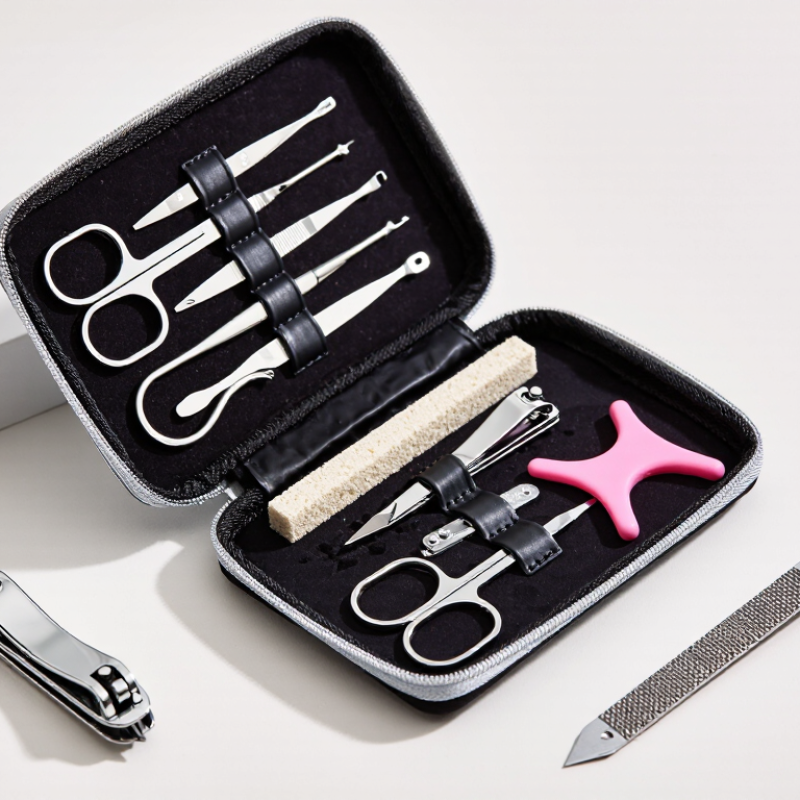
A professional pedicure begins long before polish touches the nails. The right tools help a technician work with control, comfort, and consistent hygiene. Professional Pedicure Tool Kits may include nail clippers, cuticle pushers, files, buffers, toe separators, and a foot rasp. The exact selection depends on the services offered and the technician’s training. Details matter. A sharp, well-maintained clipper feels different from a dull one; a clean, sturdy file is easier to guide around the nail edge.
Podiatrist Dr. Jackie Sutera is known for discussing foot health and pedicure safety. A concise paraphrase of that safety-focused approach is: “Choose control and cleanliness over appearance.” This is a guiding principle, not a verified direct quotation. It matters because an impressive-looking case cannot make unsuitable or poorly maintained tools safe. Look for durable construction, comfortable grips, and a way to keep clean tools separate from used ones. Small tools count.
This guide explores what a professional kit can contain, what each item does, and how to assess quality without relying on flashy packaging. It also considers a practical detail that is easy to miss: more tools do not always mean better service. A thoughtful kit supports careful work, but it cannot replace sound training or attentive cleaning. Some choices still depend on the client and the service. That deserves a closer look.
A professional pedicure station should have hand soap, a clean hand towel, and an appropriate surface disinfectant. Clean hands matter. Wash before and after each service, and do not treat gloves as a substitute for hand hygiene. Keep fresh towels, disposable liners, cotton pads, and single-use files within reach. Place used items in a separate, clearly marked container. A crowded tray can make clean and used tools harder to distinguish.
Prepare reusable tools by cleaning off visible debris, then disinfecting them according to the product instructions and the applicable salon requirements. Respect the stated contact time; a quick wipe may not be enough. Clean and disinfect the foot basin between clients, including surfaces that are easy to overlook, such as the rim and drain area. Keep disinfected tools covered and dry until needed. A small waste bin with a liner helps contain used cotton and other disposables. Check supplies before each appointment. It is easy to miss a fresh towel when the schedule gets busy, and that is worth catching early.
A professional pedicure tool kit should cover three tasks: trimming, shaping, and careful cuticle care. Straight-edge clippers help shorten thicker toenails with controlled cuts. A fine-grit file can smooth rough edges and reduce snags. Use short, gentle strokes. Rushing can leave uneven corners.
Cuticle tools require a light touch. A rounded pusher can ease softened cuticles back; nippers should remove only loose, dead skin. The American Academy of Dermatology advises against cutting cuticles because they help protect nails from infection. Reusable tools need proper cleaning and disinfection between clients. Replace worn files, too. A neat-looking kit is not automatically a safe one.
The U.S. Bureau of Labor Statistics projected 10% employment growth for manicurists and pedicurists from 2023 to 2033. Grand View Research valued the global nail-care market at $23.41 billion in 2023 and forecast 5.2% annual growth through 2030. These reports do not establish an ideal number of tools. They do underline the value of reliable, task-specific equipment. And comfort matters: a file that feels awkward in the hand can make precise shaping harder. Forecasts cannot measure that.
Example tool types for nail trimming, shaping, and cuticle care
This illustrative kit includes two trimming tools, three shaping tools, and two cuticle-care tools. Actual professional kits vary by service and practitioner.
A professional pedicure kit should include a foot file with replaceable abrasive surfaces, a washable rasp, and clean towels for checking skin as you work. Use the coarser surface only on thick, intact skin, with light strokes across the callus rather than digging into one spot. Keep it gentle. A rasp can feel efficient, but smoother skin is not proof that more removal was needed. Stop if the area becomes tender, pink, or warm.
Calluses are protective responses to repeated pressure and friction, so the aim is to reduce excess thickness without stripping the skin. The American Podiatric Medical Association’s 2014 consumer survey found that 77% of U.S. adults had experienced foot problems; that broad figure is not a callus-prevalence estimate, but it shows why careful foot care matters. Clean and disinfect reusable instruments between clients, following the CDC’s infection-control guidance, and discard single-use abrasive pads after each service. For clients with diabetes, reduced sensation, or poor circulation, avoid aggressive filing and recommend assessment by a qualified health professional. That boundary can feel cautious, but missed skin injury is harder to undo.
| Instrument | Typical Size | Primary Function | Material or Surface | Professional Use and Care |
|---|---|---|---|---|
| Foot file | About 20–25 cm long | Smooths rough, thickened skin on the heels and soles. | Often has a handle with an abrasive working surface; grit varies by model. | Use gently on appropriate areas and avoid broken, irritated, or tender skin. Clean and disinfect according to the manufacturer’s instructions. |
| Callus rasp | About 18–23 cm long | Helps reduce localized areas of hard skin through controlled filing. | Commonly stainless steel or another washable material with a textured surface. | Apply light pressure and check the skin frequently. Clean and disinfect reusable models between clients. |
| Pumice stone | About 8–12 cm long | Provides gentle manual exfoliation for rough skin, especially after soaking. | Natural or manufactured porous abrasive material. | Use with water and a light touch. Because porous stones can be difficult to disinfect, use a single-client item or follow local infection-control guidance. |
| Foot exfoliating brush | About 15–20 cm long | Removes loose surface debris and helps distribute an exfoliating product. | Washable handle with synthetic or natural bristles. | Wash thoroughly after use and dry fully. Use a clean brush for each client or disinfect it using a suitable method. |
| Stainless-steel foot spatula | About 14–18 cm long | Applies or removes foot-care products and can assist with gentle surface care. | Smooth, non-porous stainless steel. | Clean and disinfect between clients. Use only for its intended purpose and avoid scraping healthy or damaged skin. |
| Callus-care product applicator | About 12–18 cm long | Applies softening or exfoliating products to targeted areas. | Reusable non-porous material or a disposable applicator. | Follow the product label, including contact time and rinsing directions. Do not use products on compromised skin unless specifically directed by a qualified professional. |
| Disposable abrasive pad or replacement file surface | Size varies by file design | Provides a fresh abrasive surface for filing. | Single-use abrasive material, often attached to a compatible file base. | Discard after one client when labeled for single use. Do not reuse disposable surfaces. |
Note: Kit contents and instrument sizes vary. Follow tool and product instructions, local sanitation requirements, and appropriate skin-care practices. Avoid aggressive callus removal, particularly for clients with reduced sensation, circulation concerns, diabetes, or fragile skin; refer them to a qualified healthcare professional when needed.
Moisturizers and finishing products turn a pedicure from a shaping service into a comfortable, polished finish. A professional kit can include an unscented foot cream, a richer heel balm, and cuticle oil. Choose products with clear ingredient labels and dispensers that limit repeated hand contact. The American Academy of Dermatology recommends applying moisturizer to damp skin after bathing, which helps reduce dryness. In practice, a pea-sized amount of cuticle oil is usually enough; excess can leave nail plates slick before polish.
The American Podiatric Medical Association’s 2014 foot-health survey reported that 77% of U.S. adults had experienced foot pain. That statistic does not show that moisturizer prevents pain, but it does underline why comfort deserves attention. Apply cream gently, especially around dry heels, and avoid massaging cracked or irritated skin.
Small details matter. Keep finishing products separate from tools used on nails, and follow each product’s label. A useful kit also needs restraint: heavy balm can feel unpleasant between the toes, where moisture may linger. I still find this balance easy to overlook. A clean towel and a light final layer often feel better than adding another product.
Optional equipment should improve visibility and control, not merely fill a trolley. An adjustable task lamp reveals dry cuticles and small skin changes. A magnifier can help with detailed work, while a dust extractor reduces airborne filing debris. Keep these devices clean and positioned away from splash zones. A fresh basin liner looks reassuring, but it cannot replace proper basin cleaning.
Safety essentials include clean towels, single-use toe separators, gloves when exposure to broken skin is possible, and clearly separated containers for used and reprocessed tools. Follow the instrument manufacturer’s cleaning instructions; visibly clean metal tools still need the correct disinfection or sterilization process.
The CDC’s 2000 MMWR report documented 110 cases of skin infection associated with whirlpool footbaths in California. That finding makes basin maintenance more than a cosmetic detail. Small details matter. Check that disinfectant is appropriate for the surface and used for its stated contact time.
I still find this easy to overlook: a neat kit does not prove that every item is ready for the next client. Keep a simple cleaning log, and pause service when a client has an open wound or suspicious skin changes.
Keep hand soap, a clean towel, disinfectant, cotton pads, disposable liners, and single-use files nearby. Check before each appointment.
Remove visible debris, then disinfect tools according to product instructions. Allow the full contact time. A quick wipe may not be enough.
Store used items in a clearly marked container. Keep disinfected tools covered and dry. A crowded tray can cause mix-ups.
Clean and disinfect the basin, including its rim and drain area. Those spots are easy to overlook.
Straight-edge clippers can shorten thicker nails with controlled cuts. A fine-grit file can smooth rough edges using short, gentle strokes.
Use a rounded pusher gently on softened cuticles. Nippers should remove only loose, dead skin. Avoid cutting cuticles.
Use a coarse surface only on thick, intact skin. Apply light strokes across the callus, and stop if skin feels tender, pink, or warm.
Avoid aggressive filing for clients with diabetes, reduced sensation, or poor circulation. Recommend assessment by a qualified health professional. Caution can feel inconvenient, but missed skin injury matters.
A professional pedicure setup includes supplies for cleanliness, preparation, nail care, exfoliation, and finishing. Hygiene essentials such as disinfectant, gloves, towels, and a basin help create a clean working environment. Nail clippers, files, and suitable cuticle tools are used to trim and shape nails carefully, while foot files or callus-care instruments help smooth rough areas without excessive pressure.
Professional Pedicure Tool Kits may also include moisturizers, cuticle oil, and other finishing products to leave feet feeling soft and refreshed. Optional equipment, such as a footrest or magnifying lamp, can make the process more comfortable and precise. Safety essentials—including clean, well-maintained tools and careful handling—support a comfortable pedicure from preparation through the final touch.