Featured Surgical & Dental Instrumentation Range
High-precision German-pattern surgical and dental instruments featuring anti-magnetic properties, ergonomic weight reduction, and superior fatigue resistance.
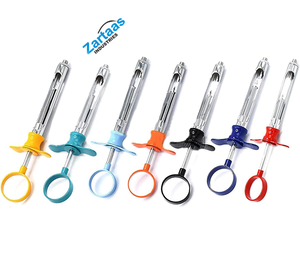
Dental Syringe 1.8ml Set of 7 Stainless Steel Dental Instrument
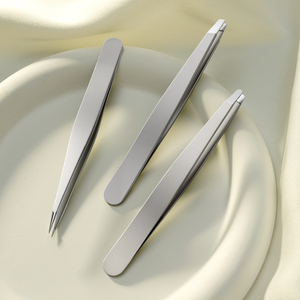
Ultra -slim Slanted Tweezers Professional Stainless Steel Eyebrow Facial Hair Removal Tweezers With Ultra Precision
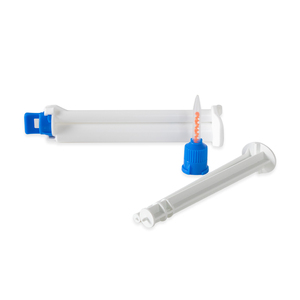
5ml Teeth Whitening Dual Barrel Syringe Clinic Double Barrel Syringe Dental Bright Kits
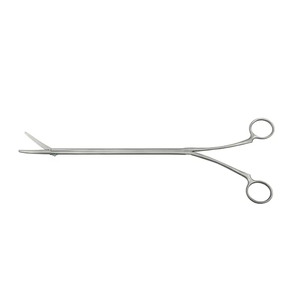
Wholesale Professional Thoracic Surgical Instruments All Kinds of Surgical Instruments Thoracoscopic Instruments
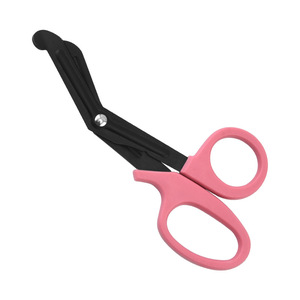
6 Inch Medical Use Trauma Shears Bandage Shears Fluoride Coated Stainless Steel Smooth Edge Nurses Scissors
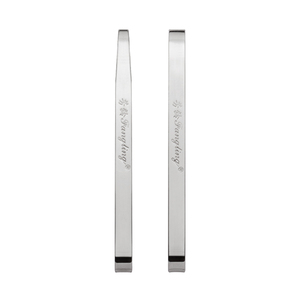
Popular Slanted Silver Eyebrow Tweezers Precise Trimming Tool Durable Comfortable Handle Fashionable Elegant High-End
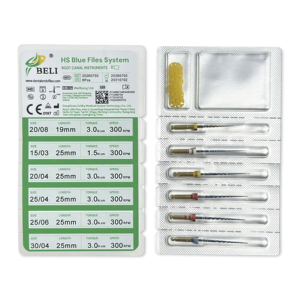
6 Pc/set Heat Activated Nickel Titanium HS Blue Files Root Canal Shaping Files Anti Fatigue Endodontic Tools for Dental Clinic
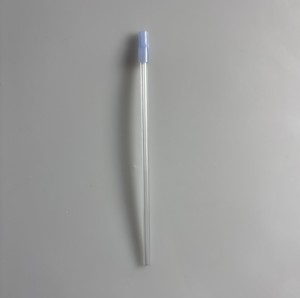
Insemination Pipettets For Dog Cat Small Animal Veterinary Surgical Grade Instruments
Navigating the Demand for Titanium Surgical Instruments in Germany
An In-Depth Analysis of Material Science, Regulatory Compliance (EU MDR), and B2B Supply Chain Dynamics for German Purchasing Managers (Einkaufsleiter).
The German healthcare sector—known for its uncompromising standards enforced by the Federal Institute for Drugs and Medical Devices (BfArM) and strict adherence to DIN EN ISO 13485—represents one of the most demanding markets for surgical instrumentation worldwide. As German university hospitals (Universitätsklinika), private clinic chains, and surgical centers accelerate their adoption of minimally invasive surgery (MIS), intraoperative MRI guidance, and high-frequency microsurgery, traditional stainless steel instrumentation is increasingly giving way to medical-grade titanium alloys.
Titanium surgical instruments—specifically those fabricated from Grade 5 Titanium (Ti-6Al-4V ELI - Extra Low Interstitial) and Grade 2 Unalloyed Titanium—offer distinct biomechanical advantages. With a density of approximately 4.43 g/cm³, titanium is roughly 40% lighter than surgical stainless steel (AISI 420/440). In prolonged neurosurgical, ophthalmic, and thoracic procedures, this dramatic reduction in weight directly mitigates surgeon hand fatigue, reduces micro-tremors, and enhances tactile sensation during intricate tissue manipulation.
Material Comparison Matrix: Medical Titanium vs. Surgical Stainless Steel
For German medical device buyers, distributors, and OEM brand owners, selecting the correct metallurgy is critical to operational safety and autoclave longevity. Below is a comparative technical matrix illustrating why Titanium Ti-6Al-4V ELI is superior for specialized surgical disciplines:
| Property / Technical Parameter | Titanium Grade 5 ELI (Ti-6Al-4V) | Grade 2 Titanium (Pure) | Martensitic Steel (AISI 420) | Austenitic Steel (AISI 316L) |
|---|---|---|---|---|
| Density (g/cm³) | 4.43 (Ultralight) | 4.51 (Ultralight) | 7.75 (Heavy) | 8.00 (Heavy) |
| Tensile Strength (MPa) | 860 - 960 | 480 - 550 | 700 - 850 | 485 - 620 |
| Modulus of Elasticity (GPa) | 110 (Bone-matched) | 105 | 200 | 193 |
| Magnetic Susceptibility | Non-Magnetic (MRI Safe) | Non-Magnetic | Ferromagnetic | Weakly Paramagnetic |
| Autoclavability & Corrosion | Immune to pitting/rust | Exceptional immunity | Requires passivation | High resistance |
| Primary German Clinical Use | Neurosurgery, Thoracic, Trauma | Dental Implants, Micro-Forceps | General Scissors, Forceps | Structural Retractors |
Beyond weight savings, titanium's completely non-magnetic behavior makes it indispensible in modern German operating theatres equipped with hybrid intraoperative MRI systems. Stainless steel instruments introduce severe artifacts and pose projectile risks in high-tesla magnetic fields (1.5T to 3.0T MRI). Titanium instruments eliminate magnetic displacement force and minimize image distortion artifacts, allowing real-time intraoperative scanning during delicate cranial and spinal procedures.
Localized Application Scenarios in German Healthcare Facilities
From Berlin's Charité to regional clinic networks (Krankenhäuser) across Bavaria and North Rhine-Westphalia, titanium instruments serve key surgical sub-specialties.
Micro-Neurosurgery & Vascular Surgery
In high-precision neurosurgical centers in Munich and Frankfurt, ultra-fine titanium micro-forceps and needle holders allow tactile precision during aneurysm clipping and micro-vascular anastomoses without magnetizing small surgical needles.
Minimal Invasive Thoracoscopic (VATS)
German thoracic surgical departments heavily rely on titanium video-assisted thoracoscopic surgery (VATS) instruments. The chemical anodization of titanium prevents reflective glare under bright endoscopic light sources, optimizing high-definition camera clarity.
Advanced Endodontics & Implantology
German dental clinics utilize heat-activated Nickel-Titanium (NiTi) root canal files and titanium syringes. NiTi provides shape memory and resistance to cyclic fatigue during curved canal preparation, reducing file separation rates by up to 85%.
Orthopedic & Trauma Surgery
Titanium bone retractors, mallets, and chisels provide high impact resistance without adding cumbersome weight to surgical trays. The low modulus of elasticity close to human cortical bone minimizes stress shielding effects during trial fittings.
Key Regulatory Trends Shaping German Medical Procurement
Understanding Medical Device Regulation (EU MDR 2017/745), UDI Laser Marking, and Sustainability Requirements for German Importers.
1. Strict Implementation of EU MDR 2017/745
The transition period for Medical Device Regulation (MDR EU 2017/745) has reshaped supply chains across the European Union, with Germany leading enforcement. Reusable surgical instruments are now classified under Class I Reusable Surgical Instruments (Class Ir), requiring rigorous technical documentation, validated cleaning/sterilization protocols (ISO 17664), and full raw material traceability from ingot to final passivated tool.
2. Direct Unique Device Identification (UDI) Laser Marking
To comply with EUDAMED registration requirements in Germany, every surgical tool must carry permanent GS1-compliant DataMatrix UDI laser codes. Our precision laser marking guarantees code readability through over 500+ automated washer-disinfector and steam sterilization cycles without corroding the titanium anodized surface layer.
3. Green Hospital Initiatives & Total Cost of Ownership (TCO)
German hospital purchasing groups (such as Prosp業a, AGKAMED, and EKK) are actively evaluating vendors based on Life Cycle Assessment (LCA). While titanium surgical instruments require a higher initial capital investment compared to standard stainless steel, their chemical immunity to pitting corrosion, stress corrosion cracking, and surface degradation yields a 3x longer operational lifespan in central sterile supply departments (CSSD/ZSVA), reducing long-term TCO significantly.
Why Leading German Brands Partner with Our Sialkot Enterprise
Combining 30+ years of master artisan craftsmanship with state-of-the-art German CNC machining technology and certified ISO 9001:2015 quality management.
30 Years of Specialized Export Mastery
Originating from Sialkot—the premier global cluster for medical instrument manufacturing established since 1995—our enterprise has evolved into a high-tech manufacturer servicing over 60 countries. We bridge traditional hand-finishing precision with modern automated manufacturing.
- Certified Quality Systems: Operating under ISO 9001:2015 QMS with CE marking compliance and FDA documentation readiness for international distributors.
- Medical Grade Titanium Sourcing: Vacuum-melted Ti-6Al-4V ELI titanium imported with mill test certificates (MTC) matching ASTM F136 and ISO 5832-3 standards.
- 5-Axis CNC & Wire-EDM: Tolerances maintained at ±0.01 mm for smooth ratchet locks, precise box joints, and zero-play jaw alignments.
- Automated Chemical Passivation & Anodizing: Surface treatment adhering to ASTM F86 / ISO 16061, offering distinct color coding (Blue, Gold, Magenta) for surgical tray identification.
- OEM & Private Label Support: Complete custom logo laser-etching, customized DIN pattern replication, and bespoke retail or clinical packaging options.
German Buyer & Procurement FAQs
Comprehensive answers regarding MOQs, regulatory compliance, custom sampling, and logistics to Germany.
What is your Minimum Order Quantity (MOQ) for German distributors?
Our standard catalogue minimum order quantity starts at just 50 pieces per reference item. For custom OEM projects, specialized titanium pattern modifications, or custom packaging under your own medical label, MOQs typically range between 100 to 200 pieces depending on geometry and anodization specifications.
How do you guarantee EU MDR (2017/745) compliance for German customs clearing?
We provide comprehensive technical file documentation including raw material Mill Test Certificates (MTC), ISO 10993 biocompatibility evidence, validated cleaning/autoclave protocols (ISO 17664), and passivated surface corrosion test reports. All exports to Germany are fully structured to support your Authorized Representative (EC REP) and EUDAMED registration requirements.
What titanium alloys do you utilize for surgical vs. dental instruments?
For structural surgical instruments requiring high yield strength and fatigue limits (micro-forceps, needle holders, thoracic clamps), we utilize medical-grade Titanium Grade 5 ELI (Ti-6Al-4V ELI - ASTM F136). For delicate diagnostic tools, dental syringes, or non-load bearing components, we offer Grade 2 commercially pure titanium or shape-memory Nickel-Titanium (NiTi) alloys for endodontic files.
Can I request physical samples for clinical trials before placing a bulk order?
Yes, absolutely. We encourage prospective German clients and clinical procurement committees to audit sample instruments prior to full-scale batch manufacturing. Samples are dispatched via DHL/FedEx Express to Germany within 7 to 10 working days, and sample fees are credited back toward your first production purchase order.
What are your lead times and shipping terms for major German ports/hubs?
Standard catalogue orders are shipped within 14 to 21 business days. OEM or private label production orders typically require 3 to 5 weeks depending on custom tooling and laser marking complexity. We offer flexible Incoterms including FOB, CIF, or DDP (Delivered Duty Paid) directly to your distribution warehouses in Frankfurt, Hamburg, Munich, Berlin, or Stuttgart.
Do you offer custom titanium color anodization for instrument tray identification?
Yes. We utilize electrochemical titanium anodization compliant with ASTM F86. We can apply distinct biocompatible color coatings (such as deep blue, cyan, gold, bronze, or magenta) without using synthetic dyes or organic paints. Color-coded instruments streamline Central Sterile Supply Department (CSSD/ZSVA) sorting in German hospitals.
Partner with a Certified Titanium Instrument Specialist
Request technical specifications, full product catalogs, or instant bulk quotations tailored for the German healthcare market. Our dedicated export engineering team responds within 24 business hours.
Contact Us