Featured Surgical & Dental Instrument Portfolio
Precision-engineered medical instruments compliant with European MDR standards for Belgian healthcare institutions.
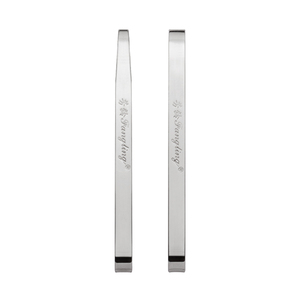
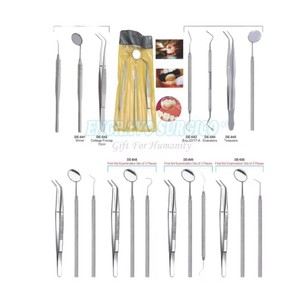
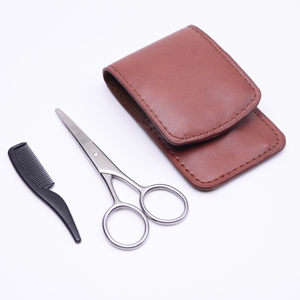
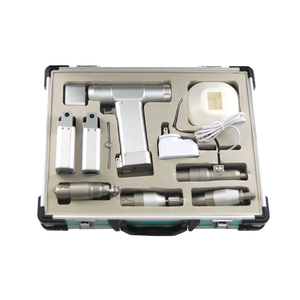
Dental Implantology & Surgical Instrumentation in Belgium: Technical Whitepaper
An authoritative breakdown of metallurgical standards, European regulatory compliance, and localized procurement strategies.
1. The Evolution of Dental Implantology in the Belgian Healthcare Landscape
The Kingdom of Belgium represents one of Europe's most sophisticated markets for advanced dental surgery, implantology, and oral-maxillofacial procedures. Supported by renowned research hubs at institutions such as KU Leuven, Universiteit Gent (UGent), Université Catholique de Louvain (UCLouvain), and Université de Liège (ULiège), Belgian dental specialists demand surgical instruments that perform with unyielding tactile sensitivity and structural rigidity.
In recent years, the Belgian dental sector has experienced a structural consolidation. Independent dental practices in major metropolitan hubs such as Brussels, Antwerp, Ghent, Charleroi, and Liège are increasingly aligning with corporate practice networks (praktijkketens) such as Dentius and Colosseum Dental Belgium. This transition has reshaped procurement workflows. Procurement officers no longer evaluate dental implant tools purely on unit cost; instead, they prioritize total cost of ownership (TCO), batch-to-batch micro-dimensional stability, autoclave passivity under DIN EN ISO 17664 standards, and complete traceability.
Whether navigating complex Guided Bone Regeneration (GBR), lateral window sinus lifts, immediate placement protocols (All-on-4 / All-on-6), or soft-tissue plastic surgery surrounding implants, oral surgeons require specialized hand instruments and torque-limiting delivery components that eliminate mechanical micro-gap errors during osteotomy preparation and fixture seating.
Localized Application Scenarios Across Belgian Clinical Environments
Tailored surgical workflows designed to meet the rigorous standards of Belgian university hospitals, private clinics, and GPOs.
Guided Bone Regeneration (GBR)
In Belgian university clinical centers specializing in severe alveolar ridge atrophy, precision tissue elevators, periosteal rasps (such as Prichard and Buser patterns), and bone-tack placement forceps are utilized to secure resorbable and non-resorbable PTFE membranes without damaging micro-vascular flaps.
Sinus Floor Elevation & Grafting
Surgical kits engineered for sub-antral membrane displacement require anatomically curved sinus lift elevators with ultra-smooth, polished non-cutting edges. These instruments prevent Schneiderian membrane perforation during bone graft condensation in posterior maxillary implant placements.
Micro-Surgical Periodontal Plasticity
To achieve optimal pink aesthetics around implant abutments, Belgian implantologists utilize fine Castroviejo needle holders, micro-scissors with serrated tungsten carbide inserts, and micro-forceps designed for 6-0 to 8-0 monofilament suture manipulation.
2. Metallurgical Precision & Manufacturing Standards for Belgian Importers
The operational longevity of surgical and dental instruments depends on raw material selection, thermal processing, and surface chemistry. SIAL Surgical leverages over two decades of metallurgical expertise in Sialkot, Pakistan—the globally recognized cluster for surgical instrument manufacturing—to craft tools meeting exact international specifications.
Our dental implant instruments utilize high-tensile martensitic and austenitic stainless steel alloys engineered to resist galvanic corrosion, pitting, and stress-fractures under repeated ultrasonic bath cycles and thermal sterilization.
| Material Standard | Steel Alloy Grade | Rockwell Hardness (HRC) | Primary Clinical Application | Corrosion Passivation Protocol |
|---|---|---|---|---|
| AISI 420B / 420C | Martensitic Stainless Steel | 50 - 54 HRC | Surgical scissors, osteotomes, trephine drills, bone chisels | ASTM F86 Nitric / Citric Acid Passivation |
| AISI 410 | Martensitic Stainless Steel | 42 - 48 HRC | Extracting forceps, root elevators, tissue clamps, ratchets | Electropolished surface treatment |
| AISI 316L | Austenitic Stainless Steel | Non-Magnetic / Tough | Sterilization cassettes, depth gauges, surgical trays | Multistage ultrasonic chemical cleaning |
| Titanium Ti-6Al-4V | Grade 5 Titanium Alloy | 36 - 40 HRC | Implant placement keys, non-scratch tissue probes | Anodized bio-inert surface layer |
To eliminate glare caused by intense surgical overhead lighting in operating theaters, our instruments feature satin matte and electropolished anti-reflective finishes. High-wear cutting elements, such as surgical scissors and root explorers, are further reinforced with Tungsten Carbide (TC) inserts or finished with Titanium Nitride (TiN) vacuum coatings, increasing surface hardness up to 80 HRC and extending edge life by 400% compared to standard surgical steel.
3. Industry Trends Shaping the Belgian Dental Instrument Procurement Sector
For medical device distributors and hospital purchasing syndicates operating within the BENELUX region, several technical and regulatory shifts are reshaping procurement criteria:
- Rigorous EU MDR 2017/745 Compliance: The transition from the old Medical Device Directive (MDD 93/42/EEC) to the European Medical Device Regulation (MDR 2017/745) mandates comprehensive technical documentation, Unique Device Identification (UDI) laser marking, and rigorous post-market surveillance (PMS) data. Importers in Brussels and Antwerp require manufacturing partners capable of supplying full material test certificates (MTRs) and ISO 13485-aligned audit records.
- Ergonomic & Light-Weight Handle Engineering: Prolonged surgical procedures induce musculoskeletal fatigue among clinicians. Modern dental implant hand tools are engineered with hollow, large-diameter (10mm to 12mm) knurled handles that maximize tactile feedback while reducing total instrument weight by up to 35%.
- Custom Private Label & OEM Branding: Belgian medical suppliers are seeking to differentiate their product portfolios by marketing custom-branded surgical sets. Through automated fiber-laser marking, SIAL Surgical provides OEM partners across Belgium with high-precision logo etching, custom SKU catalog codes, and customized batch numbering directly onto instrument handles.
- Decontamination Compatibility: Under Belgian FAGG/AFMPS guidelines, reusable surgical instruments must endure rigorous thermal disinfection (washer-disinfectors) and autoclaving at 134°C for extended holding times without undergoing surface degradation or mechanical ratchet binding.
The SIAL Surgical OEM & ODM Manufacturing Advantage
Combining decades of Sialkot crafting heritage with modern CNC precision engineering for global healthcare markets.
ISO 9001:2015 QMS Certified
Our production facility in Sialkot, Pakistan operates under a strictly audited ISO 9001:2015 quality management system. Every instrument sub-assembly undergoes rigorous dimensional inspection and batch-level hardness testing.
100% Piece-by-Piece Inspection
Before export packaging, every item is subjected to functional testing—including scissor cut-checks, forceps box-lock alignment, ratchet engagement checks, and surface passivity boiling tests to ensure 0% defect rates.
Complete OEM & Private Label
We transform technical drawings, CAD files, or physical reference samples into finished production runs. Custom packaging options include autoclavable silicone-tier cassettes, leatherette pouches, and blister packaging.
Frequently Asked Questions for Belgian Buyers & Importers
Essential guidance on ordering, compliance, minimum quantities, and logistics for the Belgian market.
Partner with a Direct Instrument Manufacturer
Expand your Belgian distribution catalog with premium, ISO-certified dental implant and surgical instruments crafted for uncompromising performance.
Send an Inquiry