ISO 9001:2015 & CE Certified Surgical Tools Engineered for District Health Boards, Private Hospitals, and Medical Importers Across New Zealand.
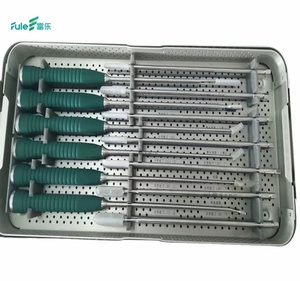
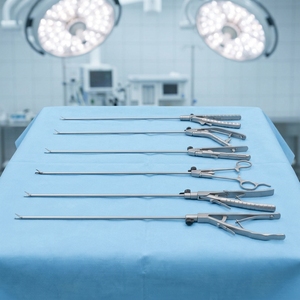
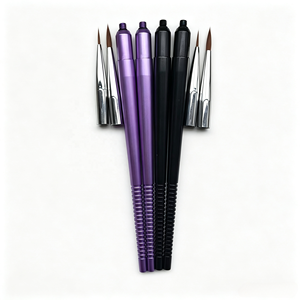
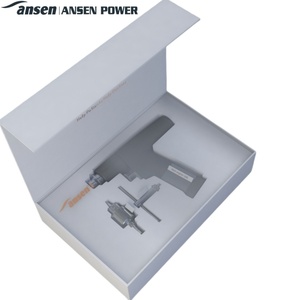
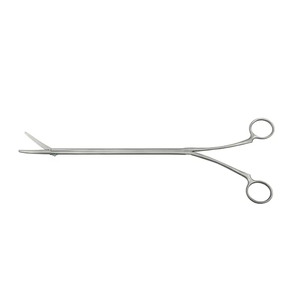
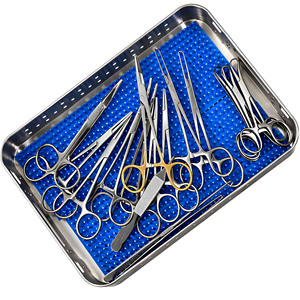
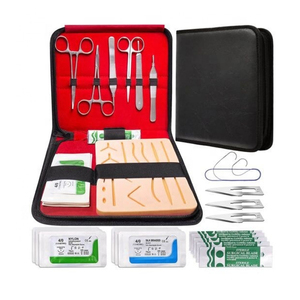
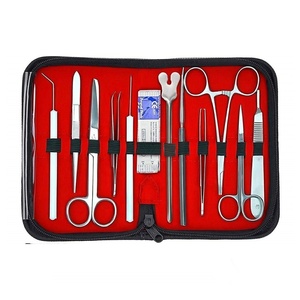
Engineered to exceed strict medical device standards through automated CNC micro-machining, metallurgical heat treatment, and chemical passivation.
German AISI Steel Metallurgy
Utilizing high-tensile martensitic surgical steel grades (AISI 410, 420, 440A) customized by tool utility. Maximize edge retention for cutting shears and spring elasticity for micro-forceps.
Micron-Level CNC Tolerances
Computerized 5-axis milling ensures box-lock symmetry, smooth ratchet engagement, and precise blade alignment within ±0.01 mm tolerances across large volume production runs.
AS/NZS 4187 Sterilisation Safety
Chemical passivation treatments according to ASTM A967 eliminate surface iron contamination, establishing a continuous chromium-oxide passive layer that withstands repeated steam autoclaving.
Technical Whitepaper Matrix: Surgical Metallurgy vs. NZ Clinical Applications
Choosing the ideal surgical instrument manufacturer requires an understanding of raw material selection. Below is an engineering overview of stainless steel grades utilized in our facility to service New Zealand health authorities and private surgical institutions.
| Steel Grade | Hardness Range (HRC) | Key Mechanical Properties | Primary NZ Application Scenarios |
|---|---|---|---|
| AISI 420 (Martensitic) | 50 – 54 HRC | High carbon content; extreme hardness and keen edge retention. | General Operating Scissors (Mayo, Metzenbaum), Micro-dissecting shears. |
| AISI 410 (Martensitic) | 40 – 45 HRC | Optimal balance of tensile strength, ductility, and spring flexibility. | Tissue Forceps, Haemostatic Clamps (Kelly, Crile), Retractors, Speculums. |
| AISI 440A (High-Carbon) | 55 – 58 HRC | Maximum wear resistance and high compressive load tolerance. | Orthopedic Bone Chisels, Osteotomes, Rongeurs, Heavy-Duty Bone Mallets. |
| AISI 316L (Austenitic) | Non-Magnetic | Ultra-high corrosion resistance in saline/biological environments. | Surgical Trays, Sterilisation Cassettes, Implant Placement Guides. |
1. Executive Industry Overview: Bulk Surgical Tool Manufacturing & Factory Direct Supply to New Zealand
The healthcare infrastructure of New Zealand—overseen by Te Whatu Ora (Health New Zealand) alongside an expanding ecosystem of private healthcare organizations such as Southern Cross Healthcare, Evolution Healthcare, and independent specialist surgical clinics—demands an ultra-reliable, compliant, and cost-efficient supply chain for medical and surgical instrumentation. As New Zealand updates its clinical infrastructure to handle growing surgical volumes in orthopedics, laparoscopy, cardiothoracic, and oral surgery, hospital procurement teams face severe cost pressures when buying from traditional domestic middlemen and third-party stockists.
Direct engagement with certified bulk surgical tools manufacturers and overseas specialized factories has emerged as a strategic priority for New Zealand medical device distributors, hospital purchasing managers, and healthcare procurement consortiums. By sourcing directly from ISO 9001:2015 and ISO 13485 compliant manufacturing plants, New Zealand buyers strip out unnecessary layer markups while gaining full OEM/ODM control over custom instrument patterns, laser marking, material traceability certificates, and specialized packaging.
This comprehensive industry guide serves as a technical whitepaper for New Zealand medical procurement officers, hospital central sterile supply departments (CSSD), dental practice networks, and veterinary surgery chains seeking direct factory partnerships. It details structural industry standards, localized application demands across the North and South Islands, compliance pathways (WAND/Medsafe), and metallurgical specifications essential for long-term clinical safety.
2. Engineering Excellence: Sialkot Craftsmanship Combined with Modern CNC Precision
For more than a century, the global surgical instrument manufacturing industry has relied on the world-renowned medical metallurgy cluster located in Sialkot. Combining generations of artisanal hand-finishing with state-of-the-art multi-axis CNC micro-machining, automated heat-treatment furnaces, and laser-guided quality assurance, our manufacturing facilities produce surgical tools that adhere strictly to international ISO, CE, and DIN guidelines.
Unlike standard commercial-grade steel tools, true surgical instruments undergo rigorous multi-stage engineering:
- Drop Forging & Grain Refinement: Raw martensitic stainless steel billets are hot drop-forged using precision dies to forge dense, continuous grain structures. This eliminates internal voids and micro-fractures, ensuring the finished tool can withstand heavy physical loads without structural failure during high-stress procedures like orthopedic bone manipulation.
- Automated 5-Axis Milling: Critical working ends—such as micro-serrated teeth on haemostatic forceps or the delicate ratchet teeth on needle holders—are milled via high-precision CNC routers programmed to ±0.01 mm limits. This ensures silky smooth jaw closures, uniform tactile feedback, and zero jaw drift.
- Controlled Vacuum Heat Treatment: Hardness is the cornerstone of surgical longevity. Instruments pass through computer-controlled vacuum furnaces where temperature cycles are strictly regulated. Scissors are hardened to 50–54 HRC for long-lasting edge sharpess, while clamping forceps are tempered to lower HRC ranges to preserve spring tension without becoming brittle.
- Passivation & Acid Pickling: To prevent surface oxidation when exposed to blood, saline solutions, and harsh enzymatic detergents in hospital CSSD units, instruments undergo chemical passivation per ASTM A967 standards. Acid bath immersion removes free iron from the outer alloy surface, forming a dense, self-healing passive chromium oxide barrier.
3. Localized Application Scenarios Across New Zealand Healthcare Sectors
Medical procurement in New Zealand is uniquely structured across public health districts, private surgical hospitals, specialized regional centers, and agricultural-veterinary facilities. Understanding the specific instrument requirements of each sector is crucial for successful factory-direct purchasing.
3.1 Public Hospitals & Regional Health Facilities (Te Whatu Ora)
Public hospital operating theaters in major hubs such as Auckland, Wellington, Christchurch, and Dunedin handle high-volume emergency trauma, general surgery, and complex reconstructive cases. CSSD departments in these facilities require bulk standardized surgical trays equipped with reusable, heavy-duty instruments. Key requirements include:
- General Surgery Sets: Mayo scissors, Metzenbaum dissecting shears, Kelly haemostatic forceps, Babcock tissue forceps, and Allis clamps supplied in bulk quantities with laser-etched matrix codes for asset tracking.
- Sterilisation Durability: Tools must strictly withstand high-temperature autoclave processing (134°C for 3 to 18 minutes) in accordance with the joint Australian/New Zealand standard AS/NZS 4187 (Reprocessing of reusable medical devices in health service organizations).
3.2 Private Surgical Centers & Specialist Clinics
Private facilities focus heavily on elective procedures, aesthetic plastic surgery, minimally invasive laparoscopy, and orthopedic joint replacements. Surgeons operating within private networks demand ergonomic, lightweight tools with superior tactile responsiveness:
- Minimal Access & Laparoscopic Tools: 5mm and 10mm reusable laparoscopic needle holders with tungsten carbide (TC) inserts, rotatable anatomical handles, and modular dismantling capabilities for deep cleaning.
- Cosmetic & Ophthalmic Instruments: Ultra-fine iris scissors, delicate Castroviejo needle holders, and micro-adson tissue forceps with satin non-glare finishes that reduce glare under intense operating room spotlights.
3.3 Dental Clinics & Oral Surgery Practices
From primary dental care networks in Hamilton and Tauranga to specialized oral and maxillofacial surgical practices in Queenstown and Palmerston North, the demand for autoclavable dental instruments continues to grow:
- Diagnostic & Periodontal Kits: Double-ended sickle scalers, universal curettes, fine root canal explorers, and front-surface distortion-free mouth mirrors.
- Surgical Scrub & Hygiene Tools: Medical-grade autoclavable dental scrub brushes, bone elevators, and extraction forceps featuring hollow ergonomic handles that reduce clinician wrist fatigue during lengthy procedures.
3.4 New Zealand Veterinary Surgery & Agribusiness Sector
New Zealand’s primary agriculture, livestock, and equine industries create a massive nationwide demand for robust veterinary surgical tools. Veterinary hospitals and rural mixed-animal practices require dedicated surgical instrument kits:
- Livestock & Small Animal Surgery Packs: Heavy-duty stainless steel spay/neuter kits, bone holding forceps, suction tubes, and large-animal surgical trays built to handle rugged field conditions.
3.5 Educational Institutions & University Medical Laboratories
Leading educational centers such as the University of Auckland Faculty of Medical and Health Sciences and the University of Otago Medical School require reliable educational supplies for training future medical professionals:
- Training & Dissection Kits: Bulk suture practice kits, Class II CE-certified practice tools, stainless steel dissecting forceps, scalpels, and anatomical lab dissection sets for undergraduate medical students.
4. Localized Trends Shaping New Zealand Surgical Procurement (2025–2030)
The medical supply chain in New Zealand is undergoing structural transformations driven by sustainability mandates, regulatory standardization, and global supply chain risk management:
Transition to Sustainable Reusables
Driven by New Zealand’s national environmental goals, healthcare providers are shifting away from single-use plastic disposable tools toward high-grade, reusable stainless steel instruments capable of hundreds of autoclave cycles under AS/NZS 4187 guidelines.
Supply Chain Diversification
Recent global logistics disruptions highlighted the dangers of relying solely on single-region distributors. New Zealand health networks are establishing direct relationships with certified manufacturing facilities to lock in guaranteed production slots and custom buffer inventory.
WAND Database Compliance
Medsafe mandates that all medical devices supplied commercially within New Zealand must be registered on the WAND (Web Assisted Notification of Devices) database. Factory partners must provide complete technical documentation to support importer notifications.
5. Enterprise Competitive Advantages: Why Partner With Our Factory Direct Network
When procuring bulk surgical instruments, New Zealand distributors and medical institutions require proven performance, operational transparency, and verifiable manufacturing credentials. Our production facilities stand out through specific core competencies derived from decades of global export expertise:
- ISO 9001:2015 & ISO 13485 Certified Quality System: Every step of production—from raw bar stock inspection to final dispatch—is governed by documented Quality Management Systems (QMS). Batch-level metallurgical certificates (MTRs) accompany all shipments.
- Comprehensive OEM & Private Label Solutions: We support custom laser marking of your distributor logo, custom stock numbers, GS1-compliant DataMatrix barcodes, and specialized pouch or sterile box packaging ready for shelf distribution in New Zealand.
- 100% Functional Quality Control Inspection: Every single instrument undergoes rigorous manual and optical testing. Scissors undergo 2-ply wet tissue cut tests; forceps are verified for alignment and spring tension; needle holders are tested with suture wire under microscope magnification.
- Flexible Minimum Order Quantities (MOQ): We accommodate trial orders starting from 50 pieces per standard catalogue pattern while offering dedicated mass-production lines for contract orders exceeding 10,000 units.
- Streamlined Air Freight to New Zealand Logistics: Direct shipping routes to major New Zealand ports of entry—including Auckland International Airport (AKL), Christchurch (CHC), Port of Tauranga, and Lyttelton—ensuring rapid customs clearance and lead-time predictability.
6. Comprehensive FAQ: Bulk Procurement & Importing Surgical Tools to New Zealand
Ready to Establish a Direct Factory Supply Line for New Zealand?
Connect with our senior engineering and export management team. Request a detailed factory pricing catalogue, technical data sheets, or arrange custom OEM product samples for your institution.
Send an Inquiry