Precision-Engineered Dental & Surgical Instruments
Explore our ISO 9001:2015 certified instrument portfolio manufactured in Sialkot, Pakistan for international healthcare distributors.
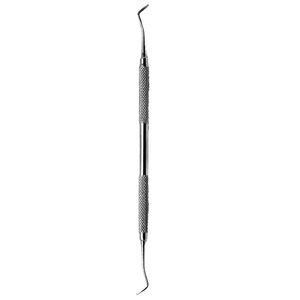
Medical Stainless Steel Double Ended Dental Explorer Probe Diagnostic Tool
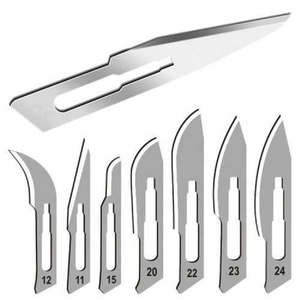
Scalpel Blades Surgical Instruments Medical Grade Stainless Steel
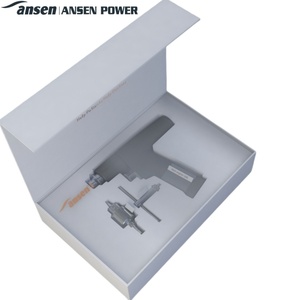
Wholesale Hospital Equipment Orthopedic Surgical Power Tools for Trauma
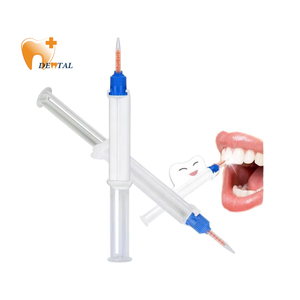
Professional Dental Grade 2.5 ml Dual Syringe Kit with Accessories
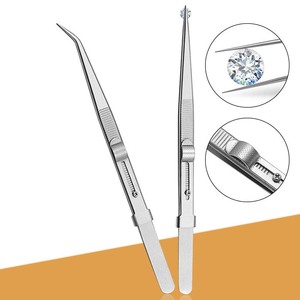
Adjustable Stainless Steel Precision Tweezers No-Groove Lock Tip
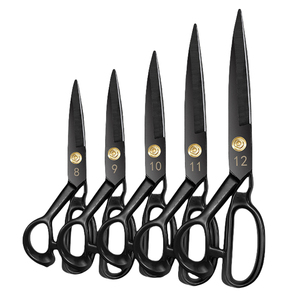
Strong Manganese Steel Heavy-Duty Tailor Scissors Smooth Black Blade
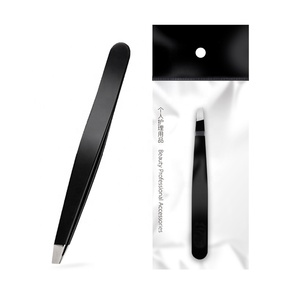
Customized Stainless Steel Anti-Static Slanted Brow Tweezers
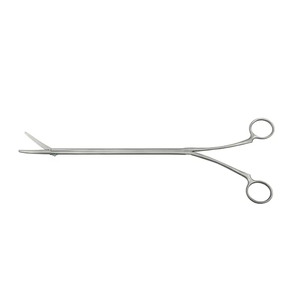
Wholesale Professional Thoracic & Thoracoscopic Surgical Instruments
1. Biomechanical Engineering & Operational Dynamics of Dental Crown Removers
In modern restorative dentistry and prosthodontics, crown and bridge disassembly represents one of the most mechanically delicate procedures performed by dental clinicians. The primary task of a dental crown remover is to fracture the adhesive luting cement bond (such as zinc phosphate, glass ionomer, or resin-based cements) between the internal surface of the prosthetic restoration and the prepared natural tooth abutment or implant superstructure. Crucially, this mechanical energy must be transmitted without inducing micro-fractures in the underlying dentin, compromising periodontal ligament integrity, or disrupting implant osseointegration.
Procurement directors, medical device importers, and dental hospital supply chain officers must evaluate manufacturers based on strict mechanical compliance and impulse energy dissipation. Crown removers function by applying either controlled kinetic impulse forces, continuous leverage torque, or high-frequency pneumatic micro-impacts. Understanding the physical forces involved allows dental buyers to select instruments that deliver predictable clinical outcomes while maximizing device longevity over thousands of autoclave sterilization cycles.
Key Engineering Requirement for B2B Importers:
Instruments must exhibit consistent micro-impact velocity. Excessive impact force risks root fracture and traumatic pulpal shock, whereas insufficient kinetic energy fails to break high-strength resin cements, causing patient discomfort and prolonged chair time.
2. Technical Classification: Manual vs. Automatic Spring-Loaded vs. Pneumatic Crown Removers
Global suppliers manufacture several distinct variants of dental crown and bridge removers. Each modality caters to specific clinical intent, cement compressive strength, and prosthodontic material (e.g., Porcelain-Fused-to-Metal [PFM], solid Zirconia, or lithium disilicate CAD/CAM crowns).
| Remover Mechanism Type | Kinetic Force Transmission | Primary Clinical Application | Maintenance & Autoclave Resistance | OEM Complexity & Manufacturing Tier |
|---|---|---|---|---|
| Manual Weight Slide Removers | Direct manual sliding mass (50g–120g weight impulse) | Traditional PFM crowns & multi-unit bridges | High (No internal springs; 100% solid stainless steel) | Standard Tier 1 Manufacturing |
| Automatic Spring-Loaded Impulse | Internal spring tension trigger (Adjustable 5–25 N impact) | Single crowns, inlays/onlays, temporary bridges | Medium (Requires periodic spring tension calibration & oiling) | Precision Engineering (CNC Lathe & Micro-Spring Fitting) |
| Pneumatic Micro-Impact Systems | Compressed air driven (Connects to dental handpiece line at 2.2–3.0 bar) | High-strength Zirconia & resin-bonded permanent crowns | Specialized (Requires O-ring seals rated for 134°C sterilization) | Advanced Medical Device Engineering |
| Pry-Leverage & Spreader Forceps | Torsional rotational shear force applied into sectioned margin | Sectioned metal/ceramic crowns after burs slotting | Extreme (High fatigue resistance required at tip apex) | Precision Forging & Hand-Finishing |
When selecting **Top Trusted Dental Crown Remover Manufacturers & Suppliers**, procurement teams should verify that the manufacturer possesses the specialized tooling required for both manual hand-finished instruments and complex spring-actuated automatic mechanisms. SIAL Surgical (Saleem Medical) leverages over 25 years of Sialkot manufacturing expertise to supply global buyers with instruments engineered across all four structural categories.
3. Metallurgical Standards: Surgical Stainless Steel & Heat Treatment Science
The structural reliability of a crown remover depends fundamentally on the quality of its alloy composition and thermal processing. Lower-tier non-certified suppliers often utilize commercial-grade steel that corrodes after repeated autoclaving or snaps under tensile stress. Premium manufacturers enforce rigorous metallurgical standards:
AISI 420 Martensitic Steel
Used for impact tips, hooks, and internal trigger pins. Heat-treated to achieve a Rockwell Hardness (HRC) of 48 to 52, ensuring tip sharpness without brittle fracturing under heavy impact load.
AISI 316L Austenitic Steel
Ideal for outer handles, sliding shafts, and handgrip components. Offers exceptional resistance to intergranular corrosion and stress-corrosion cracking during aggressive chemical disinfection.
Chemical Passivation (ASTM A967)
All instruments undergo citric or nitric acid passivation to remove free iron molecules from the surface layer, establishing a microscopic chromium oxide barrier that prevents rust spots.
During manufacturing at SIAL Surgical’s facility in Sialkot, Pakistan, heat treatment is executed in vacuum-controlled furnaces. This process eliminates surface oxidation and internal micro-voids, guaranteeing that automatic spring-loaded crown removers sustain over 10,000 continuous impulse clicks without spring tension decay.
4. Why Global Buyers Partner with Sialkot Instrument Manufacturers
Sialkot, Pakistan, stands as the undisputed global epicenter for surgical and dental instrument manufacturing, supplying up to 70% of the world's hand-held medical instruments. The region's unique advantage lies in its rare synthesis of century-old metallurgical craftsmanship and modern CNC automated machining centers.
SIAL Surgical (operating online via saleemmedical.com since 1995) represents the highest tier of Sialkot instrument manufacturing. Operating within an **ISO 9001:2015 certified Quality Management System**, the factory integrates vacuum heat treatment, automated passivation tanks, optical comparator dimensional audits, and 100% final functional inspection prior to global export.
OEM & Private Label Capabilities for Distributors:
For international healthcare brands and medical device catalog companies, SIAL Surgical provides full OEM/ODM manufacturing services. This includes custom tip geometry design, high-precision laser etching of SKU numbers and distributor branding, custom velvet pouches or autoclavable cassette packaging, and complete technical master files for FDA 510(k) and CE MDR compliance.
5. Future Procurement Trends: Next-Generation Crown Removal Technologies
As dental material science evolves toward monolithic Zirconia and ultra-strong lithium disilicate ceramics, traditional manual leverage instruments are increasingly supplemented by high-technology removal systems. Importers and catalog managers should align their sourcing strategies with these key industry shifts:
Titanium Nitride (TiN) Coated Tips
Gold-colored TiN ceramic coating increases surface hardness to over 2,500 HV, drastically reducing wear when gripping slick, ultra-hard Zirconia crown margins.
Calibrated Dial Impulse Control
Modern spring-loaded removers feature step-less micro-dial adjusters, permitting clinicians to dial exact impact energy in Newtons matching tooth root fragility.
Ergonomic Vibration Dampening
Silicone sleeve inserts and hollow ergonomic handles reduce force reverberation transferred back into the clinician’s hand during high-impact bridge removals.
6. Frequently Asked Questions (FAQ) for Global Importers
Answers to crucial commercial, regulatory, and technical questions asked by medical device distributors prior to placing bulk orders.
What is your Minimum Order Quantity (MOQ) for catalog and OEM crown removers?
Our standard catalogue MOQ starts at 50 pieces per item for standard inventory instruments. For OEM private label orders—including custom laser branding, custom tip configurations, and customized packaging—MOQs typically range from 100 to 500 units depending on technical complexity.
Are SIAL Surgical instruments ISO and CE certified for European & US markets?
Yes. SIAL Surgical operates under an ISO 9001:2015 certified Quality Management System. Our export product lines comply with CE marking requirements for European distributors, and comprehensive technical documentation (including material mill test reports and passivation certificates) is available for US FDA 510(k) filings.
What specific grades of stainless steel are used in your crown remover kits?
We utilize premium martensitic surgical stainless steel alloys such as AISI 410, 420, and 440A for working tips and dynamic mechanisms to guarantee maximum hardness and edge retention. Structural shafts and outer handle bodies utilize corrosion-resistant AISI 304 or 316L austenitic steel.
Do you provide pre-production samples before full container shipments?
Absolutely. We strongly encourage sample evaluation prior to placing volume production orders. Evaluation samples are dispatched via express courier (DHL/FedEx). Sample fees are fully credited against the invoice total upon placement of the subsequent bulk order.
What are the typical lead times for bulk production and international delivery?
Standard catalog instruments are dispatched within 7 to 14 business days. Custom OEM orders requiring specialized laser etching, custom tips, or retail packaging require 3 to 5 weeks depending on order volume and factory scheduling.
Which global markets and regions do you currently export to?
SIAL Surgical actively exports to more than 60 countries across North America, the United Kingdom, the European Union (Germany, France, Italy), the Middle East (UAE, Saudi Arabia), Australia, and Latin America, serving hospital purchasing groups, dental supply houses, and private label brands.
7. Partner with SIAL Surgical: Precision Manufacturing Excellence
Choosing the right manufacturing partner is the single most critical decision for medical instrument brand owners and supply chain executives. SIAL Surgical combines Pakistan's traditional metalworking heritage with strict modern quality engineering. Every single instrument leaving our Sialkot factory is subjected to rigorous dimensional checks, functional spring tension tests, and chemical passivation verifications.
Whether you require standard manual sliding weight removers, sophisticated automatic spring impulse systems, or complete custom-branded restorative instrument kits, our engineering team works directly from your CAD drawings or physical samples to deliver uncompromised quality at competitive factory-direct pricing.
Ready to Scale Your Dental Instrument Supply Chain?
Connect directly with our Sialkot export sales office to request wholesale catalog pricing, discuss OEM private label specifications, or order factory sample kits.