Featured Orthopedic & Surgical Instrument Kits
Factory-direct OEM/ODM instruments engineered from German martensitic stainless steel with certified passivation and precision heat treatment.
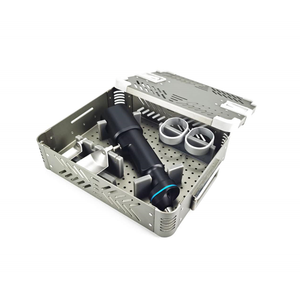
Wholesale Medical Power Tool For Orthopedic Clinic Equipment Low Price Veterinary TPLO Saw Instrument
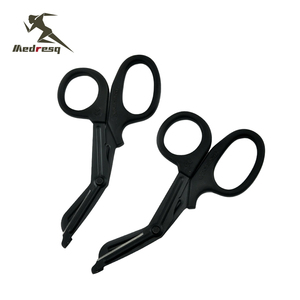
Wholesale High Quality Medical Trauma Shears Stainless Steel Plastic Handle Bandage Scissors for First Aid Nursing Kit
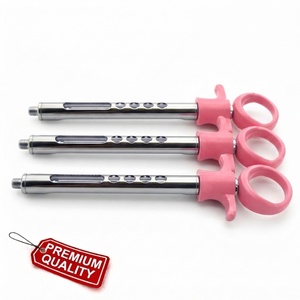
Premium Quality Manual Dental Aspirating Syringe Set Pink Handle Steel Body Surgical Instrument CE Certified
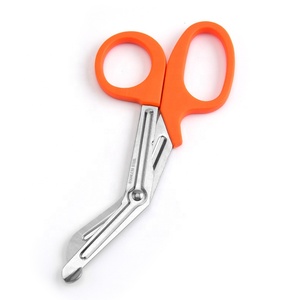
Mini First Aid Scissors Stainless Steel Angled Blade Rounded Safety Tip Cutter For Bandages Medical Tape Fabric Emergency Bag
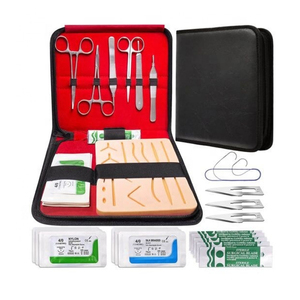
Bulk Suture Practice Kit Medical University Supply Stainless Steel Medical Training Supplies CE Certified Class II 1 Year
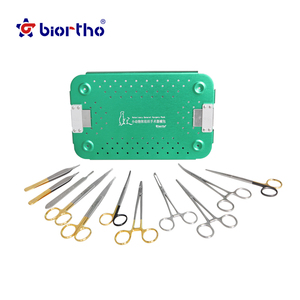
Soft Tissue Surgical Instruments Kit A/B
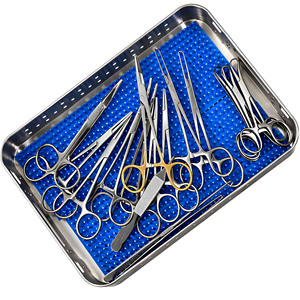
Stainless Steel Veterinary General Surgery Instruments Kit With Tray for Small Animals Clinics Wholesale Supplier
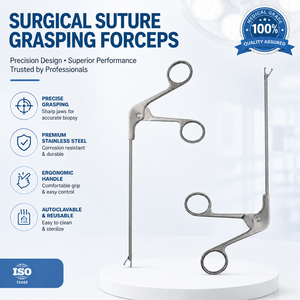
Surgical Suture Grasping Forceps Arthroscopy Surgical Instrument Stainless Steel OEM ODM Medical Forceps Autoclavable
Executive Summary: Sourcing Bone Gouge Sets in Modern Orthopedics
Bone gouges represent a critical category of manual surgical instruments utilized extensively in orthopedic surgery, spinal procedures, maxillofacial reconstructions, and autogenous bone grafting. Designed specifically for scooping, carving, or removing cancellous and cortical bone fragments, a premium Bone Gouge Set must balance structural toughness with long-lasting edge sharpness. Procurement officers and B2B hospital distributors face significant challenges when evaluating global suppliers, as metallurgical variations, improper vacuum heat treatment, or inconsistent edge beveling can lead to intraoperative chipping, micro-cracking, or rapid dulling during bone resection.
This technical whitepaper analyzes the top global suppliers and exporters of bone gouge sets, evaluating their manufacturing capabilities, material standards (AISI 410, 420, and 440A stainless steel), passivation protocols, and compliance frameworks (CE marking, ISO 13485 / ISO 9001:2015, and US FDA requirements). By examining both tier-1 OEM contract manufacturers in major clusters like Sialkot, Pakistan, and established Western brands, this guide provides medical procurement teams with actionable intelligence to optimize their supply chain, reduce total cost of ownership (TCO), and ensure uncompromising clinical safety.
Information Gain Metric: Standard market bone gouges utilize basic 304 austenitic steel which fails hardness tests under mallet strikes. Export-grade orthopedic bone gouge sets require martensitic AISI 420J2 or 440A forged steel hardened to Rockwell HRC 50-56 to prevent tip deformation under high-impact surgical force.
Core Anatomical Applications & Instrument Classifications
A comprehensive orthopedic bone gouge set encompasses diverse scoop curvatures, handle profiles, and shaft lengths engineered for targeted anatomical interventions. Understanding these variations is essential for distributors building catalog specifications:
- Cobb Bone Gouges: Characterized by heavy ergonomic handles and wide, deep scoops; engineered specifically for spinal fusion surgeries, vertebral endplate preparation, and decortication.
- Lambotte & Targett Gouges: Feature straight or slightly curved shafts with refined cutting bevels, utilized in trauma management, joint arthroplasty, and long-bone resections.
- Partsch & Alexander Gouges: Delicate, narrow-profile gouges designed for ENT, oral maxillofacial procedures, and small-bone donor site harvesting (iliac crest or radial head).
- Fiber-Handle & Impact-Resistant Gouges: Fitted with phenolic, aluminum, or reinforced synthetic handles designed to absorb repeated hammer strike vibrations without transferring micro-fractures to the surgeon's hand.
Technical Specification Benchmark: Surgical Steel Grades
The performance of any surgical bone gouge relies strictly on metallurgy and thermal processing. Below is the technical breakdown used by top export manufacturers during raw material selection:
| Steel Grade (ASTM F899) | Carbon Content (%) | Rockwell Hardness (HRC) | Primary Clinical Application | Corrosion Resistance |
|---|---|---|---|---|
| AISI 410 / W.Nr. 1.4006 | 0.09 - 0.15% | 40 - 45 HRC | Gouge handles, heavy retractors, impact mallets | Moderate (Requires passivation) |
| AISI 420 / W.Nr. 1.4021 | 0.16 - 0.25% | 48 - 52 HRC | Standard Cobb gouges, osteotomes, bone chisels | High (Excellent post-autoclave) |
| AISI 420J2 / W.Nr. 1.4028 | 0.26 - 0.35% | 52 - 55 HRC | Premium cutting gouges, bone rongeurs, surgical scissors | Very High (Optimal balance) |
| AISI 440A / W.Nr. 1.4109 | 0.60 - 0.75% | 54 - 58 HRC | Ultra-sharp specialized orthopedic scoops, micro-gouges | Maximum edge retention |
Top 10 Bone Gouge Set Suppliers & Exporters
Detailed comparative analysis of global manufacturers evaluated on production capacity, quality management standards, metallurgical integrity, and B2B OEM customizability.
SIAL Surgical
Established in 1995, SIAL Surgical is an ISO 9001:2015 certified manufacturer operating in Sialkot—the world's historic hub for surgical craftsmanship. SIAL Surgical specializes in medical-grade stainless steel orthopedic instruments, offering full OEM private-label manufacturing for distributors in over 60 countries. Their bone gouge sets utilize vacuum-heat-treated martensitic steel (AISI 420/440A) with precision-ground bevels and custom laser marking.
Aesculap (B. Braun Company)
Aesculap represents the gold standard in premium surgical instrumentation. Based in Germany's surgical cluster, Aesculap manufactures high-end bone gouges with proprietary alloy blends, exceptionally high edge retention, and ergonomic handle contours favored by orthopedic surgeons worldwide.
Stryker Corporation
Stryker is a market leader in surgical devices and orthopedic implants. Their hand instrument division offers specialized spinal and trauma gouge sets integrated directly into proprietary procedure trays for complex joint and spinal reconstructive procedures.
Zimmer Biomet
Zimmer Biomet delivers specialized orthopedic instruments designed for hip, knee, and shoulder arthroplasty. Their bone gouges are engineered with anti-glare satin finishes and calibrated scoop radiuses specifically formatted for joint cavity preparation.
KLS Martin Group
KLS Martin excels in craniomaxillofacial (CMF) and delicate bone surgery instruments. Their mini and micro bone gouge sets are renowned for ultra-precise tip geometries required in facial reconstructive and pediatric orthopedic procedures.
Medtronic Spine & Orthopedics
Medtronic provides comprehensive spinal instrumentation solutions. Their Cobb bone gouges and bone graft harvesting sets are custom-engineered for spinal fusion surgeries, incorporating ergonomic handles optimized for high-torque tactile feedback.
Integra LifeSciences
Integra offers a wide portfolio of traditional surgical hand instruments under recognized sub-brands. Their bone gouges are trusted for consistent chemical passivation, reliable box-locks, and precise hardness calibration across high-volume surgical trays.
DePuy Synthes
As part of the Johnson & Johnson family, DePuy Synthes produces bone gouge sets that are standardized across international trauma protocols. Their instruments undergo strict stress-relief tempering to prevent structural fatigue during intensive trauma cases.
Sklar Surgical Instruments
Sklar is a leading US supplier providing a comprehensive range of surgical instruments across multiple quality grades (Sklar Premium, OR Grade, and Mid-Grade). Their orthopedic gouge lines offer reliable supply chain support for healthcare facilities.
Techron Surgical
Techron Surgical operates out of Pakistan's industrial cluster, manufacturing general surgical and orthopedic gouge sets for contract buyers. They provide cost-effective sourcing for veterinary clinics, basic surgical kits, and regional tenders.
Future Sourcing & Technological Trends in Bone Gouge Manufacturing
The global market for orthopedic hand instruments is undergoing a rapid evolution driven by advancements in material science, automated manufacturing, and stringent regulatory standards such as the European Union Medical Device Regulation (EU MDR 2017/745). B2B buyers must align with suppliers capable of navigating these shifts:
1. Diamond-Like Carbon (DLC) & Nitride Surface Coatings
To mitigate instrument glare under high-intensity operating theater lighting and enhance surface hardness, leading manufacturers are adopting Physical Vapor Deposition (PVD) coatings. Titanium Nitride (TiN) and DLC coatings elevate surface hardness beyond 70 HRC, reducing friction during bone penetration and preventing tissue adhesion.
2. RFID Tracking & Direct Part Marking (UDI Compliance)
Unique Device Identification (UDI) regulations mandated by the US FDA and EU MDR require indelible GS1-compliant 2D DataMatrix barcodes on surgical instruments. Advanced exporters now integrate fiber-laser dark marking that withstands over 1,000 autoclave cycles without degrading barcode readability or compromising the protective oxide passivation layer.
3. Ergonomic Vibration-Dampening Synthetic Handles
Repeated mallet impacts during decortication transmit micro-vibrations to the surgical team, contributing to occupational wrist fatigue. The market is shifting toward hybrid bone gouges featuring autoclavable PEEK (Polyether ether ketone) or silicone-molded handles that absorb mechanical shock while preserving tactile feedback.
4. Automated 5-Axis CNC Milling & Robotic Polishing
While traditional hand-forging remains vital in Sialkot's craftsmanship heritage, hybrid production models incorporating 5-axis CNC machining ensure dimensional accuracy of ±0.01 mm across high-volume production lots. This eliminates variance in scoop thickness and bevel angles between individual gouges in a set.
End-to-End Quality Assurance & Manufacturing Protocol
Why top international medical distributors partner with SIAL Surgical for custom OEM bone gouge sets and contract manufacturing.
Material Traceability
Every lot of AISI 410, 420, and 440A martensitic steel is accompanied by mill test certificates confirming chemical composition and tensile properties prior to drop-forging.
Precision Drop-Forging
Hot drop-forging creates a dense, continuous grain flow in the steel matrix, imparting high fatigue resistance against repeated mallet impact during heavy bone resection.
Vacuum Heat Treatment
Computer-controlled vacuum hardening and double-tempering stages calibrate Rockwell hardness precisely to HRC 52-55, preventing brittleness or edge collapse.
Chemical Passivation
Compliance with ASTM A967 citric and nitric passivation protocols removes free iron contaminants from the surface, forming a self-healing chromium oxide anti-rust barrier.
OEM Private Labeling
Custom laser etching of distributor logos, item codes, UDI barcodes, and custom surgical tray pouching designed for immediate retail distribution.
100% Inspection Protocol
Every single instrument undergoes functional testing for tip symmetry, handle balance, edge sharpness, and visual surface flaws before final export packaging.
Frequently Asked Questions (FAQ) for Medical Importers
Essential answers to common technical and commercial questions raised by medical equipment buyers and surgical instrument distributors.
Partner with a Certified OEM Surgical Instrument Manufacturer
Looking for reliable, export-ready Bone Gouge Sets or custom surgical tool manufacturing? Contact SIAL Surgical's international procurement team today to request samples, technical catalogs, and wholesale B2B pricing.