Precision Micro-Surgical Manufacturing Standard
Established in 1995 in Sialkot, Pakistan—the global hub of surgical instrument craftsmanship—SIAL Surgical combines traditional artisan metallurgy with state-of-the-art multi-axis CNC machining, vacuum heat treatment, and ISO 9001:2015 certified quality systems.
Featured Micro & General Surgical Instruments
Engineered from premium AISI 410, 420, and 440A stainless steel. Ready for OEM custom branding, laser marking, and bulk clinical distribution.
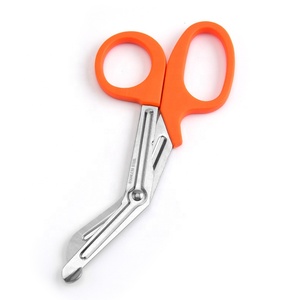
Mini First Aid Scissors Stainless Steel Angled Blade Rounded Safety Tip Cutter For Bandages Medical Tape Fabric Emergency Bag
Get Catalog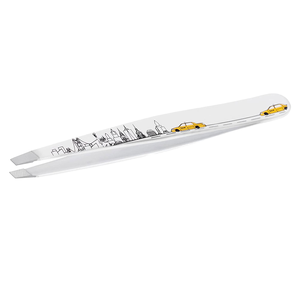
4-Piece Set Durable Stainless Steel Slanted Eyebrow Tweezers Eco-Friendly Facial Hair Customized Eyelash Extensions Personal
Get Catalog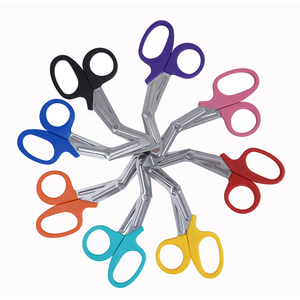
High Quality Stainless Steel First Aid Medical Bandage Scissors for Nurse
Get Catalog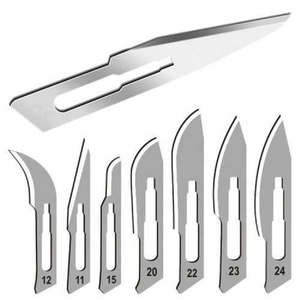
Scalpel Blades / The Basis of Surgical Instruments Surgical Surgery Single Surgical Operation / Medical Grade Stainless Steel
Get Catalog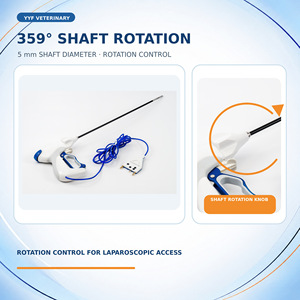
YYF SM1500 5mm 37cm Straight Jaw Reusable Veterinary Laparoscopic Vessel Sealing Cutter for Animal Soft Tissue Surgery
Get Catalog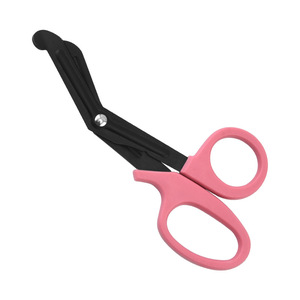
6 Inch Medical Use Trauma Shears Bandage Shears Fluoride Coated Stainless Steel Smooth Edge Nurses Scissors
Get Catalog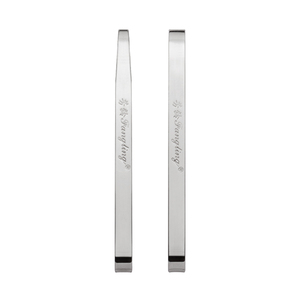
Popular Slanted Silver Eyebrow Tweezers Precise Trimming Tool Durable Comfortable Handle Fashionable Elegant High-End
Get Catalog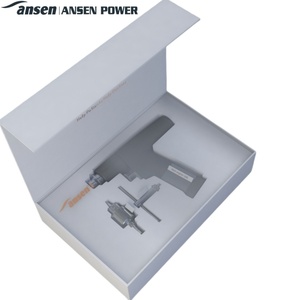
Wholesale Hospital Equipment Orthopedic Surgical Power Tools for Trauma Surgery
Get CatalogMetallurgical Benchmarks & Precision Engineering Standards
Micro-surgical tools demand sub-micron accuracy, ergonomic balance, and absolute bio-compatibility. Below is our engineering framework for OEM/ODM procurement.
| Material Grade | Composition & Properties | Primary Clinical Application | Hardness Spec (Rockwell C) | Passivation / Finishing |
|---|---|---|---|---|
| AISI 420 Stainless Steel | High carbon (0.15-0.40%), 12-14% Chromium. High tensile strength & wear resistance. | Micro-forceps, Mayo/Metzenbaum scissors, needle holders. | 50 – 54 HRC | Electropolished, Passivated per ASTM A967 |
| AISI 440A High-Carbon | 0.60-0.75% Carbon, 16-18% Chromium. Exceptional edge retention. | Scalpel blades, micro-dissection cutters, bone scissors. | 56 – 60 HRC | Ultrasonic cleaned, Satin / Anti-Glare Matte |
| AISI 316L Austenitic | Low carbon, 16-18% Cr, 10-14% Ni, 2-3% Mo. Highest corrosion resistance. | Non-cutting retractors, diagnostic probes, cannula tubing. | 25 – 30 HRC (Work Hardened) | Chemical passivation + Micro-bead blast |
| TC Inserts (Tungsten Carbide) | Tungsten Carbide matrices vacuum-brazed to stainless steel handles. | Heavy-duty micro-needle holders & suture tying forceps. | > 70 HRC (Insert Tip) | Gold-plated rings / Custom PVD Coating |
Sub-Micron Machining Tolerances
Utilizing Japanese 5-axis CNC Swiss automatic lathes, our micro-needle holder jaws achieve tip alignment tolerances within ±0.005mm. This prevents tissue slippage and scissor micro-scuffing during delicate ophthalmic, cardiovascular, and neurosurgical procedures.
Passivation & Corrosion Proofing
Every instrument undergoes fully automated multi-stage citric and nitric acid passivation (conforming to ASTM A967 / ISO 16061). This removes free iron particles from surface layers, creating a chromium-oxide protective passive film capable of enduring over 1,000 autoclave cycles.
E-E-A-T Quality Governance
Operating under strict ISO 9001:2015 Quality Management Protocols. Full raw material heat batch traceability is maintained. CE Marking compliance and FDA 21 CFR 820 technical device master files (DMF) are available for international distributor licensing.
Future B2B Procurement Trends in Micro-Surgical Equipment
As global healthcare systems shift toward minimally invasive surgeries (MIS) and cost-optimized supply chains, instrument procurement is undergoing four structural evolutions.
1. Integration with Robotic-Assisted Surgery (RAS)
Modern hospitals are increasingly sourcing micro-instruments designed to interface with robotic arm end-effectors. Procurement managers are prioritizing OEM suppliers capable of manufacturing specialized distal tips with precise torque retention, ultra-flexible articulation joints, and low-friction PVD coatings designed for robotic micro-suturing.
2. Circular & Sustainable OEM Supply Chains
Environmental social governance (ESG) directives across European and North American hospital networks are driving a move away from low-quality single-use plastics toward premium-grade, fully sterilizable, and recyclable stainless steel / titanium hybrids. OEM partners that offer lifecycle remanufacturing and laser-markable barcode tracking are securing multi-year distribution contracts.
3. Direct Factory OEM/ODM Disintermediation
Medical brand owners and regional surgical distributors are bypassing middleman trading houses to partner directly with primary manufacturers in established clusters like Sialkot. Direct OEM partnerships yield 30% to 45% margin enhancements, lower minimum order quantities (MOQs), and faster prototype iteration loops for custom surgical patterns.
Technological & Clinical Development Trends
Key innovations reshaping micro-surgical instrument design and manufacturing processes.
Super-Micro Surgery Instrumentation
Advances in lymphatic reconstruction and neurovascular repair require micro-forceps and needle holders capable of handling 11-0 and 12-0 monofilament sutures. Tips with working dimensions under 0.15mm feature specialized anti-glare micro-serrations to optimize grip without severing ultra-fine suture materials.
Advanced Nano-Coatings & Surface Treatments
Physical Vapor Deposition (PVD) coatings such as Titanium Aluminum Nitride (TiAlN) and Diamond-Like Carbon (DLC) are replacing standard polish. These coatings increase surface hardness up to 80 HRC, reduce reflection under intense surgical theatre lighting, and eliminate tissue adhesion during electrosurgical cutting.
Ergonomic Tactile-Feedback Handles
Surgeon fatigue during multi-hour micro-procedures is addressed through hollow-knurled titanium alloy handles and balanced counterweighting. Modern spring-force mechanisms deliver linear tactile feedback, giving surgeons fine control over tip clamping pressure.
Frequently Asked Questions for B2B Importers & Brands
Clear technical and commercial insights to assist your engineering and procurement teams.
Request Our Complete 2025 OEM/ODM Surgical Catalog
Partner directly with Sialkot’s premier ISO 9001:2015 certified instrument manufacturer. Contact our senior technical export team today for instant pricing, engineering drawings, and sample evaluations.
Get Catalog