Featured Surgical & Medical Instrument Lines
Explore our precision-machined surgical forceps, diagnostic sets, orthopedic power equipment, and specialized medical tool accessories produced under ISO 9001:2015 QMS standards.
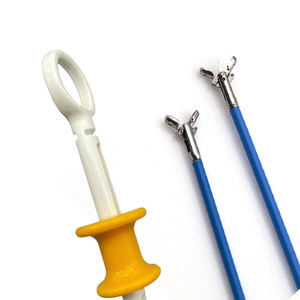
OD 1.0/1.5/1.8/2.4mm Digestive Department Disposable Flexible Biopsy Forceps For Surgical Instrument
Get Catalog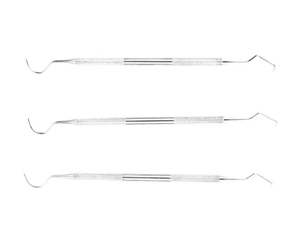
Dental Probes Explorer Curette Endo Periodontal Double-Ended Instruments Set Manual Stainless Steel 3-Year Warranty CE Certified
Get Catalog
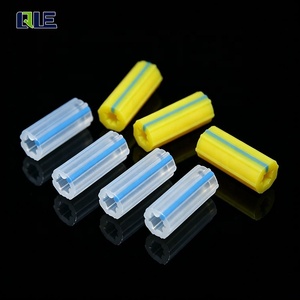
Custom Medical Grade Silicone Protective Tips Soft Flexible Silicone Sharp Instrument Sleeve for Surgical Scalpel Tweezers
Get Catalog
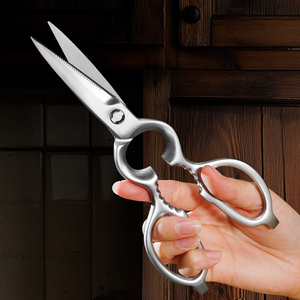
Heavy Duty Stainless Steel Kitchen Scissors 3Cr13 Blade SUS420J2 Handle Multifunctional Poultry Shears OEM Custom Logo Bulk
Get Catalog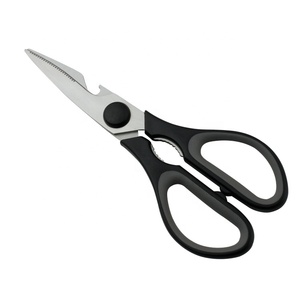
Wholesale Kitchen Poultry Shears Scissors Stainless Steel Custom OEM Customized Logo Item Soft Handle Scissors for Kitchen
Get Catalog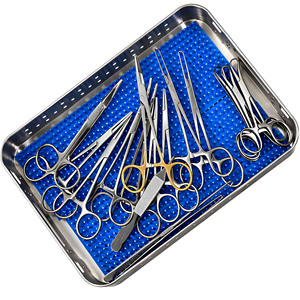
Stainless Steel Veterinary General Surgery Instruments Kit With Tray for Small Animals Clinics Wholesale Supplier
Get CatalogWhy Global Medical Brands Choose SIAL Surgical Factories
Integrating traditional Sialkot hand-craftsmanship with modern CNC wire EDM machining, vacuum heat treatment, and ISO-certified quality management systems.
ISO 9001:2015 & CE Certified
Our production ecosystem operates strictly under an audited ISO 9001:2015 Quality Management System. Every batch of surgical forceps comes fully documented for CE compliance, with complete FDA technical master files available upon request.
Turnkey OEM & Private Label
From custom tip geometries and wide-thumb serration designs to high-resolution fiber laser marking (UDI-DI/PI) and bespoke sterile/non-sterile retail packaging, we provide end-to-end contract manufacturing for distributors worldwide.
Surgical Grade Stainless Steel
We utilize premium martensitic stainless steels (AISI 410, 420, 440A) conforming to ASTM F899 specs. Each heat batch undergoes rigorous tempering to achieve optimum hardness (48-52 HRC) alongside superior ductility and spring action.
Whitepaper: Engineering Specifications & Procurement Protocols for Adson Tissue Forceps
Adson Tissue Forceps represent one of the most essential hand-held grasping instruments in modern surgery. Widely deployed across plastic surgery, dermatological procedures, vascular surgery, and general soft tissue approximation, these specialized thumb forceps are engineered to hold delicate tissues securely without causing crush injury or mechanical trauma. For medical device procurement directors, OEM brand owners, and hospital purchasing syndicates, evaluating OEM/ODM Adson Tissue Forceps Factories requires a granular understanding of metallurgical composition, mechanical tolerances, tooth interlocking geometry, passivation chemistry, and total quality management (TQM) protocols.
1. Anatomical Classification & Functional Variants
The defining architectural characteristic of the Adson thumb forcep is its wide, flat, serrated handle grip tapering down to delicate, fine working tips. This ergonomic silhouette allows surgeons to comfortably resting the instrument between the thumb and index finger, affording micro-tactile sensitivity during prolonged microsurgical procedures. Contract manufacturers typically produce four core variants of Adson forceps, each designed for specific clinical applications:
- Adson Tissue Forceps (1x2 Teeth): Features one single sharp tooth on one tip that interlocks precisely between two teeth on the opposing tip. Designed specifically to grasp dense fascia, skin margins, and fibrous connective tissues with minimal pinching pressure. The 1x2 rat-tooth configuration prevents lateral slipping during suturing.
- Adson-Brown Tissue Forceps (7x7 / 9x9 Serrated): Features multiple rows of fine, interlocking micro-teeth along the tip perimeter. Used extensively in plastic and reconstructive surgery, the multi-tooth array distributes gripping force over a broader surface area, ensuring atraumatic tissue manipulation without puncturing delicate dermal layers.
- Adson Dressing Forceps (Plain / Serrated): Void of sharp rat-teeth, these forceps possess cross-serrated inner tip surfaces. They are designated for handling surgical dressings, cotton sponges, and sensitive vascular or neural tissue sheath structures.
- Tungsten Carbide (TC) Inserted Adson Forceps: High-tier surgical instruments equipped with vacuum-brazed Tungsten Carbide jaw inserts. TC inserts provide exceptional hardness (exceeding 68 HRC), offering extended wear life and ultra-precise tooth definition. Identified industry-wide by gold-electroplated handles.
2. Metallurgical Standards & Heat Treatment Chemistry
The functional reliability of an Adson tissue forcep depends fundamentally on its raw material composition and thermal processing. Leading OEM/ODM Adson Tissue Forceps Factories in Sialkot utilize martensitic stainless steel alloys defined by international standards such as ASTM F899, ISO 7153-1, and DIN 17442.
| Steel Grade Specification | Chemical Composition Key Elements | Rockwell Hardness (HRC) | Primary Clinical Application |
|---|---|---|---|
| AISI 420 (SUS420J2) | Cr 12.0-14.0%, C 0.26-0.35%, Mn ≤1.0%, Si ≤1.0% | 48 - 52 HRC | Standard Surgical Adson Forceps (High Corrosion Resistance & Edge Retention) |
| AISI 410 (SUS410) | Cr 11.5-13.5%, C 0.08-0.15%, Mn ≤1.0%, Si ≤1.0% | 40 - 45 HRC | General Utility Forceps, Dressing Tweezers, Disposable Instruments |
| AISI 440A (SUS440A) | Cr 16.0-18.0%, C 0.60-0.75%, Mo ≤0.75% | 54 - 56 HRC | Micro-Surgical Forceps & High-Durability Cutting Edge Combinations |
| Tungsten Carbide (TC Matrix) | WC-Co Matrix (Cobalt Binder 6-10%) | 68+ HRC | Premium OEM Reusable Adson Forceps with Gold Ring Finish |
During manufacturing, raw steel forgings undergo a multi-stage heat treatment process inside atmosphere-controlled vacuum furnaces. The steel is heated to austenitizing temperatures (1000°C–1050°C), rapidly quenched, and subsequently double-tempered at 200°C–300°C. This precise heat treatment eliminates residual internal stresses, prevents spring-body deformation, and ensures that the forcep arms maintain their elastic memory over thousands of sterilization cycles in hospital autoclaves.
3. Precision OEM Manufacturing Workflows & Quality Control
Producing surgical-grade Adson forceps demands strict adherence to narrow manufacturing tolerances. A deviation as small as 0.02 mm in tooth alignment can result in tissue scissor-effect (tearing) or tip scissoring under pressure. Professional contract factories enforce a rigorous six-stage production process:
- Drop Forging & Annealing: High-grade surgical steel rods are hot-forged into blank forcep profiles. Thermal annealing softens the forgings to allow stress-free machining.
- CNC Milling & Wire EDM Tooth Cutting: The wide thumb grip and slim shaft are shaped using multi-axis CNC machines. The delicate 1x2 interlock teeth or 7x7 Adson-Brown micro-serrations are cut using precision Computerized Wire Electrical Discharge Machining (Wire EDM) to guarantee tooth co-axiality within ±0.015 mm.
- Vacuum Heat Treatment & Tempering: Forceps are hardened to specified HRC values to ensure tip rigidity and flexural fatigue resistance along the spring shank.
- Hand Fitting & Alignment: Master instrument artisans hand-tune the spring tension, verify jaw closure pressure, and dress tip edges under high-magnification stereomicroscopes.
- Electropolishing & Chemical Passivation: Instruments undergo ultrasonic cleaning followed by citric or nitric acid passivation in compliance with ASTM A967 standards. This process strips free iron particles from the surface, creating an impenetrable chromium-oxide passive layer that guards against rust and pitting corrosion.
- Laser Marking & 100% Quality Inspection: Custom private-label logos, part numbers, lot numbers, and Unique Device Identification (UDI) 2D DataMatrix codes are laser-etched onto the body. Every unit is subjected to boil tests, copper sulfate corrosion testing, and functional alignment checks before final packaging.
4. Strategic Procurement Trends & Future Market Outlook (2025–2030)
The global market for surgical hand instruments is experiencing significant shifts driven by regulatory tightening, technological advancements in manufacturing, and evolving hospital procurement strategies. B2B buyers sourcing from OEM/ODM Adson Tissue Forceps factories should align their sourcing models with four dominant industry trends:
A. Hybrid Supply Chains (Disposable vs. Premium Reusable): While ambulatory surgical centers (ASCs) and emergency trauma units increasingly lean toward single-use disposable Adson forceps to eliminate cross-contamination risks and sterilization overheads, central sterile supply departments (CSSD) in major hospital networks continue to prioritize premium autoclavable reusable instruments. Forward-thinking manufacturers now offer dual-line OEM manufacturing—producing ultra-cost-effective single-use models alongside heavy-duty, 10-year warranted surgical steel lines.
B. Enhanced Ergonomics & Lightweight Alloys: Surgeon fatigue during long micro-reconstructive procedures has pushed demand toward ergonomic handle redesigns. Modern OEM specifications frequently request knurled, non-slip wide thumb plates, anti-glare satin finishes, and high-strength Titanium Alloy (Ti-6Al-4V) options that reduce instrument weight by over 40% compared to traditional stainless steel.
C. Regulatory Compliance & Traceability (EU MDR & FDA UDI): The implementation of the European Union Medical Device Regulation (EU MDR 2017/745) and US FDA UDI directives has shifted contract manufacturing requirements. Buyers now require full material origin certificates, biocompatibility test data (ISO 10993), chemical passivation validation, and laser-etched DataMatrix codes for automated hospital inventory tracking.
D. Automated Wire EDM vs. Traditional Hand Filing: Sialkot’s surgical instrument manufacturing hub is undergoing a rapid technological transformation. While traditional hand filing provided acceptable quality in past decades, modern hospital buyers now reject non-uniform tooth profiles. Leading OEM factories have transitioned to automated CNC wire cutting, guaranteeing absolute batch-to-batch repeatability across thousands of units.
4-Step Factory Inspection Protocol for B2B Importers
When auditing an OEM Adson Forcep factory or receiving shipment lots, procurement teams should execute the following technical acceptance tests to verify structural and metallurgical integrity.
1. Boiling Corrosion Test (ISO 13402)
Submerge sample forceps in boiling distilled water for 30 minutes, followed by a 30-minute cooling phase in air. Any formation of rust spots, red oxides, or pitting indicates improper steel alloy grade or inadequate acid passivation.
2. Tooth Alignment & Scissoring Check
Compress the forcep handles fully under a 10x optical loupe. The 1x2 teeth must mesh seamlessly into the opposing recess without lateral deflection or overlap ("scissoring"). Spring arms must rebound instantly without permanent deformation.
3. Copper Sulfate Chemical Dip Test
Apply a 6% copper sulfate solution to the instrument surface for 6 minutes per ASTM A967 protocols. Deposition of metallic copper indicates the presence of un-passivated surface free-iron, failing corrosion resistance criteria.
Frequently Asked Questions (Procurement FAQ)
Key answers for healthcare distributors, purchasing agents, and private-label brand managers inquiring about bulk Adson forcep manufacturing.
What is your Minimum Order Quantity (MOQ) for OEM/ODM Adson Forceps?
Our standard catalogue minimum order quantity starts at 50 pieces per item code. For custom OEM projects involving bespoke handle patterns, specialized titanium nitriding (TiN) coatings, or custom private label packaging, MOQs typically range from 100 to 300 pieces depending on production complexity.
Which stainless steel grades are utilized for your Adson Forceps?
We primarily utilize medical-grade AISI 420 (SUS420J2) martensitic stainless steel for standard surgical Adson forceps, delivering an ideal balance of tensile strength, spring flexibility, and rust resistance. For non-critical utility applications, AISI 410 is available upon request.
Are your surgical instruments certified for export to the EU and USA?
Yes. SIAL Surgical operates under an ISO 9001:2015 quality management system. Our surgical instruments meet CE marking requirements for the European Union market, and complete technical documentation (including material mill certificates and passivation test reports) is provided for US FDA compliance.
Can you provide laser branding and customized packaging for private label orders?
Absolutely. We offer full ODM/OEM branding services, including fiber laser etching of your company logo, catalog numbers, lot codes, and UDI barcodes directly onto the forcep shaft. Packaging options include custom pouches, blister cards, printed boxes, and padded leatherette store display cases.
What are the standard lead times for sample evaluation and mass production?
Pre-production approval samples are dispatched within 7 to 10 business days. Standard bulk catalog orders are shipped within 2 to 3 weeks, while complex OEM/ODM production runs generally require 3 to 5 weeks depending on total order volume and custom finishing requirements.
Request a Direct Factory Quote & OEM Sourcing Catalog
Partner directly with an ISO 9001:2015 certified surgical instrument factory in Sialkot. Contact our export engineering team today for technical drawings, pricing tiers, and pre-production samples.
Get Catalog