Whitepaper: Engineering & Sourcing Specifications for OEM Equine Dental Tools
Equine dentistry has evolved rapidly from basic manual tooth floating to an advanced, highly specialized branch of veterinary medicine requiring clinical precision, high mechanical durability, and strict infection control. As horses live longer and participate in elite athletic disciplines, the demand for specialized, high-durability equine dental instruments has surged worldwide. Equine dental practitioners—including veterinary dental specialists, equine dentists, and equine hospital surgeons—require tools capable of enduring extreme mechanical force while preserving soft tissue integrity within the equine oral cavity.
For B2B procurement managers, veterinary supply distributors, and private-label brand owners, sourcing reliable equine dental instruments requires a deep understanding of metallurgy, mechanical engineering, joint dynamics, and international regulatory compliance. Partnering with a dedicated OEM supplier like SIAL Surgical in Sialkot, Pakistan, bridges the gap between cost-efficiency, master manufacturing craftsmanship, and strict metallurgical standards.
Core Industry Benchmark: Professional equine dentistry tools must resist cyclic mechanical stresses exceeding 1,200 N during molar levelling and tooth extraction. Premium instruments rely on vacuum-heat-treated martensitic stainless steel (AISI 420 J2 / AISI 440C) hardened to HRC 52–56 for cutting elements and HRC 44–48 for structural frames.
1. Technical Specifications & Metallurgical Matrix
The performance of any equine dental tool—whether a full-mouth speculum, a rotary power float, an incisor extractor, or a wolf tooth elevator—depends primarily on chemical alloy composition and thermal heat-treatment processes. Choosing the improper steel grade leads to catastrophic field failures, such as blade dulling, ratchet slippage, or stress corrosion cracking after repeated autoclave sterilization.
| Instrument Category | Primary Steel Grade | Hardness (Rockwell) | Surface Treatment | Critical Mechanical Benchmark |
|---|---|---|---|---|
| Equine Full-Mouth Speculums | AISI 304 / 410 Steel Frame | HRC 42 - 46 | Electropolished / Satin | Zero frame deflection under 1,500 N jaw loading; ratchet quick-release safety. |
| Manual & Motorized Floats | AISI 420 J2 / TC Blade | HRC 54 - 58 (Blade) | Tungsten Carbide Brazed | Diamond-coated or TC chip rasps rated for >500 floating procedures without dulling. |
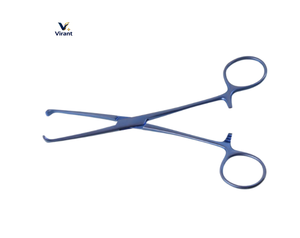
| Equine Extraction Forceps | AISI 420 / AISI 440C | HRC 48 - 52 | Passivated Satin Finish | High torsional rigidity; knurled non-slip handles; interlocking serrated beak tips. |
| Wolf Tooth Elevators & Luxators | AISI 440C Stainless | HRC 52 - 56 | Mirror / Satin Polish | Razor-sharp razor-edge tip profile with impact-resistant handle-to-shaft socket joint. |
| Periodontal & Scaling Tools | AISI 420 J1 Stainless | HRC 50 - 54 | Electropolished Nitric Acid | High tactile feedback; corrosion resistance under exposure to bio-fluids and enzymatic cleaners. |
2. Industrial Development Trends in Equine Dentistry (2025–2030)
The global equine dental equipment market is experiencing a significant shift toward motorized floating efficiency, modular ergonomic design, and minimally invasive extraction techniques. Key innovations shaping product manufacturing include:
A. Motorized Power Float Systems & Modular Handpieces
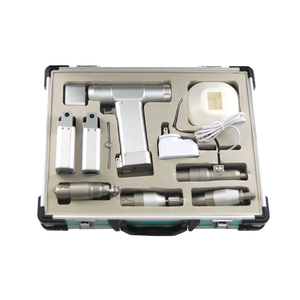
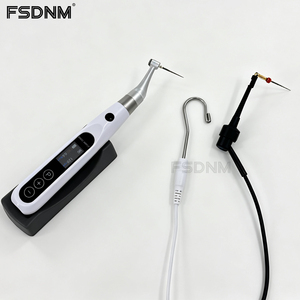
While manual floats remain essential for detailed finish floating and young horses, motorized power rasps have become standard practice in modern equine clinics. Modern practitioners require lightweight aluminum-alloy or carbon-composite shafts paired with stainless steel geared heads. The integration of 360-degree rotating shafts, quick-connect drive cables, and water-cooling flush channels allows practitioners to perform occlusal equilibrium procedures quickly with reduced sedation time for the animal.
B. Lightweight Titanium and Hollow-Handle Ergonomics
Equine dental procedures are physically demanding, frequently causing repetitive strain injuries (RSI) and shoulder fatigue in veterinary surgeons. Future instrument manufacturing favors hollow-handle designs, knurled ergonomic grips, and hybrid titanium-alloy frames for full-mouth speculums. Weight reductions of 20% to 30% significantly improve practitioner control and maneuvering within the equine oral cavity.
C. Advanced Carbide & Diamond Coating Metallurgy
Cutting blades and floating rasps are transitioning from traditional carbon steel to replaceable Tungsten Carbide (TC) inserts and electroplated diamond burs. Vacuum silver-brazing ensures that TC inserts remain permanently bonded to the tool substrate under extreme vibration, extending sharp cutting lifetimes and lowering the long-term cost per procedure for veterinary clinics.
3. Strategic Global Sourcing Trends & Procurement Insights
Veterinary brand owners, distributors, and large equine clinic networks are restructuring their procurement strategies to mitigate supply chain disruptions while ensuring quality consistency. Strategic trends include:
- Direct Factory OEM Sourcing over Intermediary Traders: Buyers are bypassing trading companies to partner directly with established manufacturers in major manufacturing clusters like Sialkot, Pakistan. Direct factory engagement yields 25%–40% cost savings, direct quality oversight, and customizable OEM production runs.
- Demand for Complete SKU Customization & Private Labeling: Distributors require supplier capability to laser-etch private logos, catalog part numbers, and unique UDI barcoding directly onto stainless steel surfaces, along with customized packaging solutions (branded canvas rolls, leather pouches, or aluminum sterilization trays).
- Rigorous Compliance Certification: Procurement teams prioritize suppliers operating under ISO 9001:2015 and ISO 13485 QMS environments. Products destined for Europe or the Americas must meet CE marking standards, FDA registration guidelines, and ASTM A967 passivation compliance.
SIAL Surgical Advantage: Grounded in Sialkot's historical craftsmanship since 1995, SIAL Surgical combines 25+ years of hand-forging heritage with modern CNC machining, automated vacuum heat-treatment furnaces, and strict batch-by-batch QA testing.