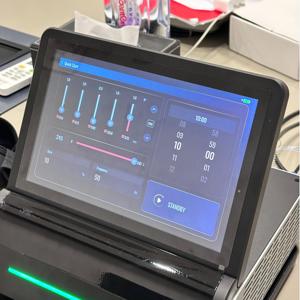
Featured Surgical Instruments & Wholesale Tray Components
Explore our certified export-grade medical instruments and specialized surgical kits. Manufactured in accordance with rigorous ISO 13485 and ISO 9001:2015 quality standards, each product features surgical-grade martensitic/austenitic stainless steel for maximum corrosion resistance and mechanical endurance.
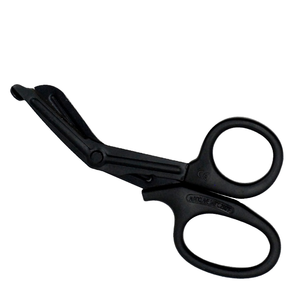
All Black EMT Trauma Shears with Non-Stick Stainless Steel Blades Blunt Tip Medical Scissors for Paramedic Ambulance Supplies
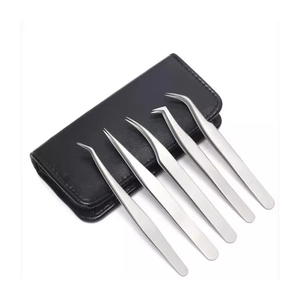
Top Quality Professional Eyebrow Tweezers Set Stainless Steel Pointed Tip Durable Precision Beauty Tool Hair Removal Modern
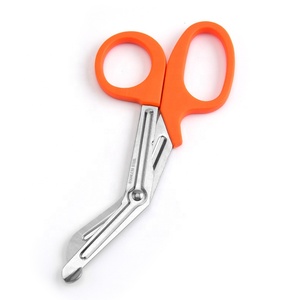
Mini First Aid Scissors Stainless Steel Angled Blade Rounded Safety Tip Cutter For Bandages Medical Tape Fabric Emergency Bag
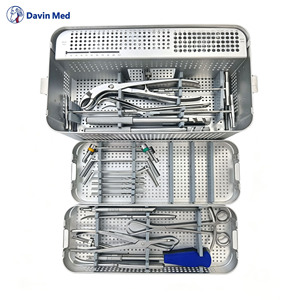
Manufactured in China CE ISO Certificated Orthopedic Surgical Instruments Set for Fracture Surgery Large Fragment Kit
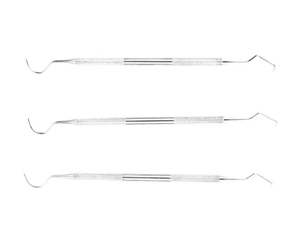
Dental Probes Explorer Curette Endo Periodontal Double-Ended Instruments Set Manual Stainless Steel 3-Year Warranty CE Certified
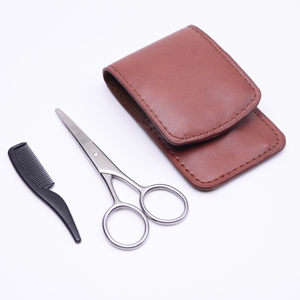
Private Label Men Beauty Travel Stainless Steel Curved Sharp Right-Handed Grooming Mustache Beard Hair Style Trimming Scissor
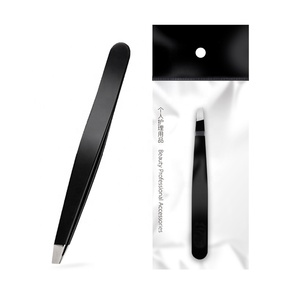
Customized Stainless Steel Anti-static Brow Tweezers Black Pink Gold Slanted Hair Removal Eyebrow Tweezers Private Label
Executive B2B Guide: Sourcing Wholesale Surgical Tray Sets & Medical Instrumentation
In modern clinical surgical environments—spanning general laparotomy, orthopedic trauma restoration, specialized dental periodontics, and emergency cardiovascular procedures—the integrity of a Surgical Tray Set dictates operating room efficiency, infection control parameters, and patient outcomes. As a premier China-based manufacturer and global exporter of surgical trays, dental kits, and specialized medical instrumentation, we supply hospital procurement networks, international brand owners, and OEM distributors with precision-engineered, reusable sterilization tray assemblies built to endure thousands of autoclave cycles.
Sourcing surgical trays at wholesale scale requires comprehensive technical evaluation beyond basic unit pricing. Procurement directors must analyze material metallurgy (AISI 304 vs 316L vs 420/440A stainless steel), electrochemical passivation standards (ASTM A967 and ISO 16061 compliance), mechanical tray layout modularity, silicone holding insert durability, and structural resistance to stress corrosion cracking (SCC). This document establishes an industry whitepaper framework for evaluating B2B manufacturing capabilities, global procurement trends, and regulatory parameters in medical tray production.
Metallurgical Breakdown: Stainless Steel Alloys in Medical Tray & Instrument Engineering
| Steel Grade Standard | Chemical Composition Key | Rockwell Hardness (HRC) | Primary Clinical Application | Corrosion & Sterilization Endurance |
|---|---|---|---|---|
| AISI 316L (1.4404) | 16-18% Cr, 10-14% Ni, 2-3% Mo, Low C | 85-95 HRB (Non-hardenable) | Deep-drawn sterilization trays, perforated container baskets | Superior (Resists heavy autoclaving, enzymatic detergents & saline solution) |
| AISI 304 (1.4301) | 18-20% Cr, 8-10.5% Ni | 80-90 HRB | Outer tray lids, procedural organizing racks, baseline mesh baskets | High (Standard autoclave sterilization up to 134°C) |
| AISI 420 (1.4021/1.4028) | 12-14% Cr, High Carbon content | 50-56 HRC (Heat Treated) | Tray-matched cutting instruments (Mayo/Metzenbaum scissors, bone chisels) | Moderate-High (Requires rigorous citric/nitric acid passivation) |
| AISI 410 (1.4006) | 11.5-13.5% Cr, Medium Carbon | 40-48 HRC | Hemostatic forceps, tissue clamps, tray locking latches | Good tensile toughness; resilient under repeated mechanical torque |
Turnkey OEM / ODM Customization & Manufacturing Engineering
As an established original equipment manufacturer (OEM), our China production facilities bridge the gap between initial CAD drawing concepts and finished, CE/ISO-certified surgical tray assemblies. We maintain in-house toolmaking, CNC high-speed milling, precision laser welding, micro-stamping, and optical alignment verification technologies.
01
Custom CAD/CAM Modular Trays
We design bespoke aluminum and stainless steel perforated trays with custom-molded medical-grade silicone holding racks, tailored to fit exact surgical instrument counts without micro-movement during transit.
02
Laser Marking & UDI Traceability
Full compliance with FDA Unique Device Identification (UDI) mandates. Fiber laser engraving of 2D DataMatrix codes, SKU serial numbers, and custom private-label branding logos directly onto trays and tools.
03
Electropolishing & Passivation
Automated multi-stage ultrasonic cleaning combined with ASTM A967 citric acid passivation eliminates free iron contaminants, forming a ultra-durable chromium oxide passive layer preventing corrosion.
04
Heavy-Fragment Orthopedic Tooling
Specialized manufacturing for trauma, large fragment, and spine surgery tray sets, capable of accommodating high-mass mallets, osteotomes, and bone drill guides with zero structural flexing.
05
Sterilization Container Compatibility
Our tray dimensions strictly align with standardized DIN European sizing specifications, allowing seamless integration with rigid sterilization containers, wrap systems, and central sterile supply department (CSSD) racks.
06
Rigorous 100% Quality Auditing
Every production batch undergoes dimensional coordinate measuring machine (CMM) inspections, copper sulfate spot testing for iron residue, and functional locking mechanism strain tests prior to final export.
Future Procurement Trends for Surgical Tray Sets & Sterilization Systems
The global healthcare supply chain is undergoing structural shifts toward efficiency, sustainability, and automated data tracking. When planning multi-year contract procurement for surgical trays, medical equipment distributors and hospital purchasing committees should prepare for several key advancements defining the market from 2025 to 2030:
1. Integration of RFID & Smart Tracking in Surgical Trays
Hospital Operating Rooms and Central Sterile Supply Departments (CSSD) are rapidly adopting RFID-embedded surgical tray systems. High-temperature, autoclave-resistant passive RFID chips attached to stainless steel trays allow automated inventory scanning, reducing surgical set assembly errors by over 90% and tracking cycle history to optimize instrument sharpening and replacement schedules.
2. Transition from Disposable Plastic Packaging to Modular Reusable Container Systems
With global healthcare ESG mandates prioritizing medical waste reduction, hospital networks are phasing out single-use blue sterilization wraps in favor of rigid aluminum and stainless steel sterilization container tray systems featuring permanent PTFE filter membranes. Investing in robust, reusable AISI 316L perforated tray sets delivers a lower Total Cost of Ownership (TCO) across 3-year operating cycles while cutting plastic waste.
3. High-Density Ergonomic Light-Weighting Metallurgy
Surgical procedures requiring extensive instrumentation—such as total joint arthroplasty—traditionally resulted in tray sets exceeding 12 kg (26 lbs), straining CSSD technicians and surgical scrub nurses. Advanced manufacturing utilizes high-strength perforated patterns, anodized aluminum alloy lids, and hybrid titanium-reinforced stainless steels to reduce overall set weight by 25-35% without compromising structural rigidy under thermal expansion.
4. Custom Silicone Fixation Inserts for Extended Tool Longevity
Standard loose-packing of instruments inside metal trays results in tip damage, dulling of scissors, and misalignment of delicate double-ended dental curettes or micro-forceps. Procurement is shifting toward custom-molded liquid silicone rubber (LSR) brackets rated to withstand temperatures up to 140°C. These inserts isolate each instrument shank, preventing metal-on-metal collision during transit and automated washing cycles.
Global Industry Development Trends: Why Sourcing from China Dominates
The global medical device contract manufacturing industry is consolidating manufacturing expertise within integrated industrial clusters. China has evolved from a high-volume component supplier into a sophisticated hub for high-precision, ISO 13485-compliant medical hardware, surgical instruments, and tray container systems.
Key Drivers of China Wholesale Sourcing Advantage:
- Vertical Supply Chain Integration: Direct proximity to high-grade raw steel mills, precision CNC machine tool factories, specialized surface treatment chemistry providers, and certified testing laboratories ensures rapid prototyping and reduced production lead times.
- Advanced Metallurgical Passivation & Surface Finishing: Modern Chinese manufacturing facilities deploy automated electro-passivation systems that mirror European standards, delivering high resistance to autoclave oxidation and pitting corrosion.
- Cost-to-Precision Ratio Optimization: B2B importers achieve substantial margin enhancement without sacrificing mechanical performance or regulatory compliance, enabling aggressive market positioning in tender bidding.
- Full Technical Regulatory Support: Leading exporters provide complete technical file dossiers—including raw material chemical lab analysis, bio-compatibility test reports, cleaning validation protocols, and CE Declaration of Conformity documents.
Enterprise Infrastructure, Technical Mastery & Global Reliability
Backed by over two decades of dedicated manufacturing experience, our state-of-the-art production complex integrates heritage hand-finishing craftsmanship with modern automated CNC multi-axis milling technology. We specialize in producing surgical tray sets, dental instruments, orthopedic fracture sets, and emergency medical tools for demanding global markets.
25+ Years Industrial Heritage
Deep technical expertise in forging, heat treatment quenching, tension balancing, and micro-polishing across thousands of specialized clinical instrument patterns.
ISO 9001 & ISO 13485 Management
Fully documented Quality Management System (QMS) ensuring complete batch-level raw material traceability from ingot casting to final delivered carton.
Global Export Footprint (60+ Countries)
Trusted by medical equipment distributors, healthcare authorities, and private-label brands across Europe, North America, the Middle East, Latin America, and Asia-Pacific.
Frequently Asked Questions (FAQ) for B2B Procurement & Wholesale Import
What is your standard Minimum Order Quantity (MOQ) for wholesale surgical tray sets?
Our standard MOQ for catalogue stainless steel surgical tray sets starts at 50 sets. For custom OEM/ODM designs requiring specialized tooling or custom silicone holding inserts, MOQs typically range from 100 to 300 sets based on CAD complexity and material specs.
Are your surgical trays and instruments certified for CE marking and FDA compliance?
Yes. Our manufacturing facilities operate under ISO 9001:2015 and ISO 13485 standards. All export products comply with European CE Class I medical device specifications, and complete technical documentation (including material certificates and passivation reports) is available for US FDA 510(k) or regulatory registration.
What stainless steel grades are utilized for surgical tray sets versus instruments?
Perforated trays and container baskets are manufactured from non-magnetic austenitic stainless steel (AISI 304 or 316L) to ensure maximum corrosion resistance during repeated steam autoclaving. Cutting instruments (scissors, curettes) utilize martensitic steel (AISI 420/440A) heat-treated to 50-56 HRC for edge retention, while forceps utilize spring-tough AISI 410 steel.
Can we request custom branding, laser etching, and private label packaging?
Absolutely. We provide comprehensive private-label OEM services. We can laser-etch your brand logo, catalogue reference numbers, lot numbers, and UDI DataMatrix barcodes directly onto instruments and trays, as well as supply custom printed inner boxes, pouching, and master export cartons.
What are the typical lead times for sample development and bulk OEM production?
Standard stock catalogue samples are dispatched within 3 to 7 business days. Custom prototype samples involving new CAD mold creation take approximately 2 to 3 weeks. Bulk production orders generally require 3 to 5 weeks, depending on final order volume and custom packaging specs.
How do you validate the corrosion resistance and passivation quality of the tray sets?
Every batch undergoes rigorous quality testing, including boil tests, copper sulfate immersion testing (per ASTM A967), and salt spray chamber testing to verify zero free iron particles remain on the stainless steel surface, preventing rust formation during hospital washing and sterilization cycles.
How are products packed to prevent shipping damage during international freight?
Each surgical instrument is individually coated with protective oil/caps, poly-bagged or vacuum blister sealed, and securely fitted into protective cardboard boxes. Surgical trays are wrapped in heavy-duty bubble wrap and corner protectors, then packed into 5-ply corrugated export cartons reinforced with plastic strapping to withstand sea or air freight handling.
Partner with a Leading China Wholesale Surgical Tray Manufacturer
Request a competitive wholesale quote, submit your custom OEM CAD drawings, or request product samples directly from our engineering export team.
Send an Inquiry