Featured Wholesale Diagnostic & Surgical Line
Explore our factory-direct B2B product catalogue engineered for hospital networks, dental distributors, and OEM private label brands worldwide.
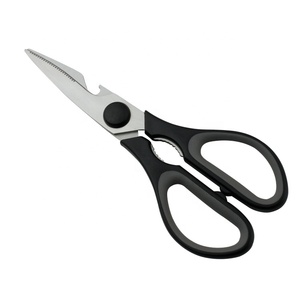
Stainless Steel Custom OEM Precision Shears & Instruments
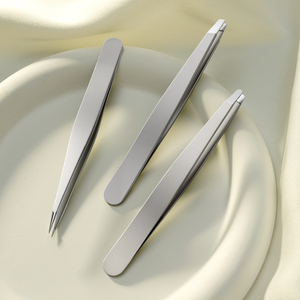
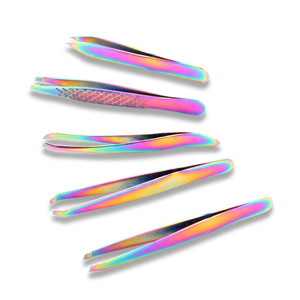
Ultra-Slim Professional Stainless Steel Precision Tweezers
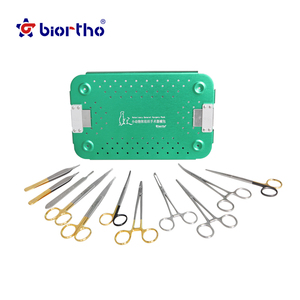
Soft Tissue Surgical & Periodontal Diagnostics Kit A/B
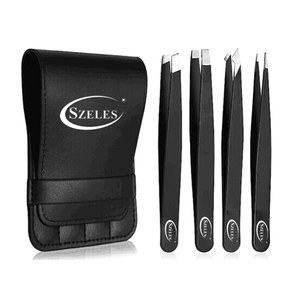
1.5mm High-Toughness Stainless Steel Slanted Micro Forceps
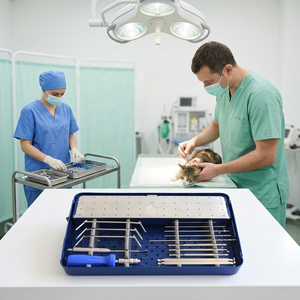
Reusable Basic Surgical & Probing Instrument Kit Set
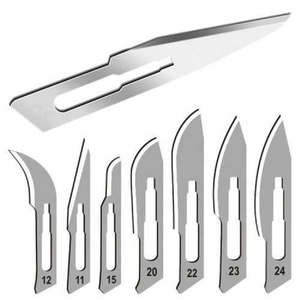
Medical Grade Stainless Steel Scalpel Handles & Blades
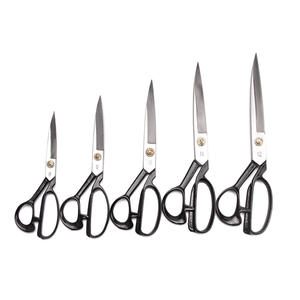
Heavy-Duty Ultra Sharp Stainless Steel Surgical Shears
Pointed Tip Stainless Steel Diagnostic Instrument Set with Case
Executive B2B Procurement Brief: China’s Role in Global Periodontal Probe Supply Chains
In modern periodontics, the periodontal pocket probe is universally recognized as the primary diagnostic line-of-defense for evaluating gingival health, probing depth (PD), clinical attachment loss (CAL), and anatomical furcation defects. As dental healthcare systems worldwide shift toward early preventive care and minimally invasive periodontal therapy, the global demand for ultra-precise, micro-calibrated periodontal probes has scaled exponentially.
For international medical device distributors, dental supply conglomerates, and private-label brand owners, sourcing directly from audited China wholesale periodontal pocket probe suppliers and exporters offers an unmatched competitive advantage. China’s advanced medical instrument manufacturing clusters combine high-throughput automated CNC machining, sub-micron laser engraving, strict metallurgical quality management, and cost efficiency. However, navigating the procurement landscape requires a granular understanding of clinical specifications, international regulatory standards (ISO 13485, CE MDR 2017/745, US FDA 21 CFR Part 872), and specialized OEM engineering capabilities.
Global Compliance Architecture
Our manufacturing facilities operate under comprehensive ISO 13485:2016 Medical Devices Quality Management Systems, providing full Device Master Records (DMR) and lot-by-lot raw material traceability certificates (AISI 420 stainless steel & Grade 5 Titanium).
Laser Micro-Calibration
Graduation lines (Williams, CP-12, UNC15, WHO/PSR) are etched via fiber-laser technology with an absolute linear accuracy of ±0.01mm, eliminating visual read error during pocket depth measurements under intense operatory lighting.
Passivation & Corrosion Immunity
Every batch undergoes chemical acid passivation per ASTM A967, ensuring a thick chromic oxide passive layer that guarantees resistance to 500+ standard autoclave cycles (134°C / 2.1 bar) without rusting, discoloration, or scale formation.
Comprehensive Periodontal Probe Classification & Engineering Specifications
Different clinical applications demand specific working-end geometries, color-coding systems, and ball-tip terminations. The standard portfolio manufactured by premier Chinese exporters includes the following key variants:
1. Williams Periodontal Probe
Clinical Focus: Standard periodontal screening and pocket depth monitoring.
Graduation Marking: 1-2-3-5-7-8-9-10 mm. (Missing the 4mm and 6mm markings to prevent visual confusion during rapid intraoral assessment).
Tip Diameter: 0.5 mm round working point with smooth blunted safety bevel.
2. UNC15 Probe (University of North Carolina)
Clinical Focus: Clinical research studies, surgical flap procedures, and deep pocket assessment.
Graduation Marking: 1 mm through 15 mm continuous millimeter laser lines, with color-coded bands at 5 mm, 10 mm, and 15 mm.
Tip Diameter: 0.45 mm ultra-fine point for high tactile sensitivity in tight interdental spaces.
3. CP-12 / Marquis Color-Coded Probe
Clinical Focus: General practice screening and routine hygienist maintenance.
Graduation Marking: 3-6-9-12 mm alternating black oxide color bands for instant visual identification.
Finish: High-contrast black coating electro-bonded to surgical steel, impervious to ultrasonic baths.
4. WHO / PSR Screening Probe
Clinical Focus: Epidemiological surveys and Community Periodontal Index of Treatment Needs (CPITN).
Graduation Marking: 0.5 mm spherical ball tip to prevent tissue puncturing, with a dark reference band between 3.5 mm and 5.5 mm (and optional 8.5/11.5 mm lines).
Ball Tip Radius: Precision-machined 0.5 mm sphere designed for gentle sulcus exploration.
5. Nabers Curved Furcation Probe
Clinical Focus: Evaluation of horizontal invasion of multi-rooted molar furcation areas (Class I to Class IV furcations).
Design: Curved anatomical working blade with 3-6-9-12 mm scale markings, available in single or double-ended configurations.
6. Implant-Safe PEEK / Titanium Probes
Clinical Focus: Peri-implantitis monitoring around delicate titanium abutments and ceramic implants.
Material: Pure Unfilled PEEK (Polyether Ether Ketone) or Medical Grade 5 Titanium to prevent scratching or metallic galvanic contamination of implant surfaces.
Technical Comparison Matrix for Bulk Buyers
| Probe Type | Marking Pattern (mm) | Tip Geometry | Standard Steel Grade | Autoclave Tolerance | Primary Clinical Use |
|---|---|---|---|---|---|
| Williams Probe | 1 - 2 - 3 - 5 - 7 - 8 - 9 - 10 | 0.5mm Blunt Tip | AISI 420A Martensitic SS | 134°C / 500+ Cycles | Routine Periodontal Charting |
| UNC15 Probe | 1 through 15 (Continuous) | 0.45mm Micro Point | AISI 420B High Hardness SS | 134°C / 500+ Cycles | Periodontal Surgery & Research |
| CP-12 (Marquis) | 3 - 6 - 9 - 12 (Banded) | 0.5mm Cylindrical Tip | AISI 316L / 420 Coated | 134°C / 450+ Cycles | Rapid Visual Hygiene Checks |
| WHO / CPITN | 0.5 Ball / 3.5 - 5.5 Band | 0.5mm Spherical Ball | AISI 304 / 420 Stainless | 134°C / 500+ Cycles | PSR Screening & Safety Checks |
| Nabers Probe | 3 - 6 - 9 - 12 Curved | Curved Anatomical Tip | AISI 420 Austenitic/Martensitic | 134°C / 500+ Cycles | Molar Furcation Diagnosis |
| Implant Plastic/PEEK | 3 - 6 - 9 - 12 Contrast | Flexible Non-Scratch Tip | Medical Grade PEEK / Ti-6Al-4V | 134°C / 200+ Cycles (PEEK) | Peri-Implant Maintenance |
Engineering Excellence: Inside China’s Precision Instrument Production
Producing a high-grade periodontal pocket probe requires meticulous control over metallurgical properties, blade flexibility, shank balance, and handle ergonomics. A minor defect in laser line width or a burr at the tip can cause severe tissue trauma or inaccurate diagnostic charting. Qualified OEM exporters in China utilize an end-to-end engineered production workflow:
1. Raw Material Metallurgy & Forging
Our probes are forged from premium medical-grade stainless steel bars (AISI 420 / 420A / 420B). The steel undergoes vacuum heat treatment (quenching and tempering) to achieve a optimal Rockwell hardness (HRC 48-52). This endows the slender probe tip with high tensile resilience—allowing subtle flexing under 20-25 grams of probing force without taking a permanent bend set.
2. CNC Micro-Machining & Handle Design
Handles are produced using high-speed multi-axis CNC swiss-lathes. Exporters offer options ranging from classic 6mm solid knurled steel handles to modern 9mm, 10mm, and 11mm hollow lightweight handles. Hollow ergonomic handles (weighing under 15 grams) drastically reduce practitioner hand fatigue during full-mouth charting sessions.
3. Laser Marking & UDI Micro-Engraving
Utilizing high-frequency fiber laser system, scale calibrations are etched permanently into the metal matrix. Markings can be customized with high-contrast black oxide lines, laser-annealed rings, or eco-friendly color coatings. Furthermore, Unique Device Identification (UDI) matrix codes and custom brand logos are laser-etched directly onto the handle for global regulatory traceability.
4. Electropolishing, Passivation & Final Inspection
Following manual tip polishing under 20x optical magnification, instruments are subjected to ultrasonic degreasing, electro-polishing to achieve $Ra < 0.2\mu m$ surface smoothness, and nitric acid passivation. Every probe is inspected for linear calibration accuracy, tip sphericity, and joint integrity prior to cleanroom pouch packaging.
Future Procurement Trends in Periodontal Diagnostic Instruments (2025–2035)
As periodontology evolves toward digital integration and specialized implantology, wholesale buyers must align their procurement strategies with emerging technology trends reshaping Chinese export manufacturing.
1. Growth of Peri-Implantitis Diagnostic Kits
With millions of dental implants placed globally each year, peri-implant mucositis and peri-implantitis monitoring have become major clinical focus areas. Demand for non-metallic, plastic-tipped, and Grade 5 Titanium probes is growing at 14.5% CAGR. Chinese OEM suppliers are rapidly scaling PEEK over-molding production lines to meet this demand.
2. Ergonomic Lightweight Hollow Handles
Dental ergonomics is a primary buying criteria for modern clinics. Industry preference has migrated from heavy, thin stainless steel handles to ultra-lightweight 10mm/11mm hollow handles and matte silicone-grip handles. These configurations offer enhanced tactile feedback while shielding clinicians from repetitive strain injuries (RSI).
3. Automated UDI Laser Etching & Serialization
Stricter medical device traceability regulations enforced by the US FDA, European Union (EU MDR), and China NMPA require direct device marking (DDM). Modern Chinese wholesale exporters incorporate automated high-speed laser serialization on probe handles, enabling instant QR/GS1 scan-ability for hospital inventory systems.
Why Partner with Our Factory for Wholesale Periodontal Probes?
Rooted in decades of surgical instrument manufacturing craftsmanship and modernized with European CNC precision machinery, our enterprise stands as a premier exporter of diagnostic and surgical tools.
- ISO 13485:2016 & ISO 9001 QMS Certified: Fully audited quality systems covering design, forging, micro-machining, passivation, and cleanroom sterile packaging.
- Sub-Micron Calibration Accuracy: State-of-the-art fiber laser marking systems ensuring zero visual error on Williams, UNC15, and WHO millimeter scale bands.
- Flexible OEM / Private Label Manufacturing: Complete customization of handle logos, catalogue numbers, knurling patterns, surface finishes (satin, mirror, black titanium nitride), and custom blister packaging.
- Raw Material Mill Certification: 100% genuine AISI 420 martensitic stainless steel with certified chemical composition and corrosion resistance verification.
- Competitive Direct-Factory Wholesale Pricing: Eliminating intermediary trading margins to deliver maximum profitability for overseas distributors and OEM brand partners.
- Global Logistics & Regulatory Documentation: Full assistance with FDA registration files, CE Declarations of Conformity, Certificates of Free Sale (CFS), and rapid air/sea door-to-door dispatch.
Frequently Asked Questions (FAQ) for Wholesale Buyers
Essential answers regarding minimum order quantities, custom branding, steel grades, certification, and lead times for global importers.
What is the standard Minimum Order Quantity (MOQ) for wholesale probe orders?
For standard catalogue periodontal probes (Williams, UNC15, CP-12), our standard MOQ starts at 50 pieces per model. For custom OEM designs, specialized handle knurling, or private-label laser etching, MOQ typically ranges from 100 to 300 pieces depending on customization depth. Sample kits can be dispatched for quality evaluation prior to bulk contract signing.
Which stainless steel grades are utilized, and how is corrosion resistance ensured?
We primarily utilize medical-grade AISI 420A and AISI 420B martensitic stainless steel for working tips to achieve high tensile strength and hardness (HRC 48-52). Handles are crafted from AISI 304 or 316L stainless steel. Corrosion immunity is guaranteed through automated nitric/citric acid passivation conforming to ASTM A967 standards, verified by 48-hour salt spray testing.
Do you offer OEM private labeling, custom handle branding, and UDI marking?
Yes. We provide comprehensive OEM/ODM services. We can laser-engrave your corporate logo, custom SKU catalogue numbers, and GS1-compliant Unique Device Identification (UDI) 2D DataMatrix codes on instrument handles. Custom packaging—including private-label pouching, plastic cassettes, boxed sets, and barcode labeling—is fully supported.
Are your periodontal probes certified for European and North American markets?
Our manufacturing facility operates under an ISO 13485:2016 certified Quality Management System. Our export product lines comply with the European Union Medical Device Regulation (EU MDR 2017/745) CE requirements, and comprehensive technical documentation (including FDA 510(k) exemption files for Class I dental hand instruments) is available for regulatory filing in the United States and Canada.
What is the typical production lead time for bulk wholesale orders?
Standard catalogue items are dispatched within 7 to 14 business days. Custom OEM orders, volume production runs (5,000+ units), or specialized color-coated probe sets generally require 3 to 5 weeks for manufacturing, laser calibration, passivation, quality auditing, and export packing.
How do you verify calibration accuracy on millimeter scale markings?
Every probe working-end undergoes optical comparator and fiber-laser micrometer inspection against master calibration gauges. Linear tolerances are held strictly within ±0.01mm. Color-coded bands are subjected to ultrasonic bath abrasion testing to ensure zero flaking or fading during clinical decontamination protocols.
Can we request pre-production samples prior to placing a full container order?
Absolutely. We encourage pre-production sample evaluation. Samples of our standard Williams, UNC15, WHO, and CP-12 probes can be delivered via express air courier (DHL/FedEx/UPS) within 3 to 7 days. Sample costs are routinely credited against your first mass-production purchase order.
What sterilization and autoclave protocols can these probes withstand?
Our stainless steel probes are engineered to endure repeated moist-heat steam autoclaving at 134°C (273°F) at 2.1 bar pressure for standard cycles, as well as dry-heat sterilization and thermal disinfectors. PEEK-tipped implant probes are rated for over 200 standard autoclave cycles without thermal degradation or tip deformation.
Partner with China’s Leading Periodontal Probe Manufacturer
Elevate your product portfolio with precision-engineered, ISO-certified periodontal pocket probes. Contact our global B2B export engineering team today for technical specifications, OEM price lists, and sample requests.
Get a Quote