Export-Ready Precision Surgical Instruments & Sets
Direct OEM/ODM catalog products manufactured under ISO 9001:2015 & CE compliant standards
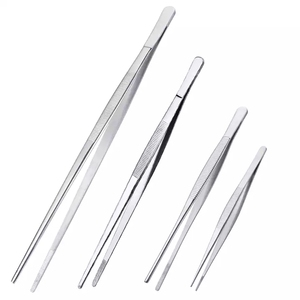
ZONWIN 12 Inch Stainless Steel Kitchen Chef Tweezers Sets Food Long Tong With Serrated Tips
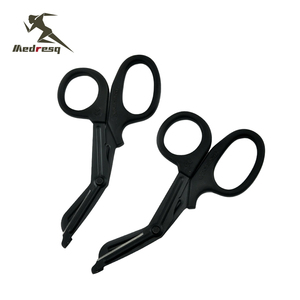
Wholesale High Quality Medical Trauma Shears Stainless Steel Plastic Handle Bandage Scissors for First Aid
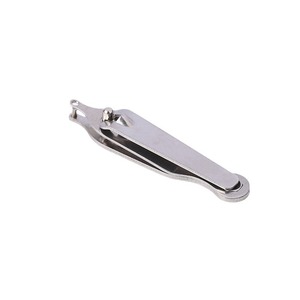
Stainless Steel Laboratory Mouse Rat Ear Punch Tool 2mm Diameter Animal Marking Equipment
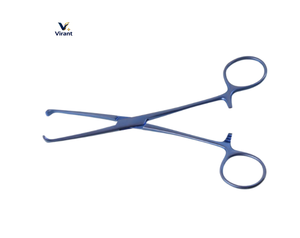
Virant Basic Veterinary Instrument Set Manual Reusable German Stainless Steel Surgical Kits CE ISO13485
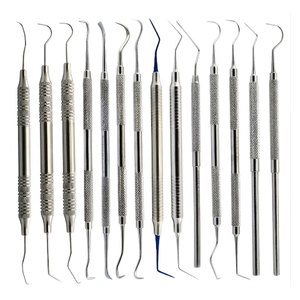
Professional Dental 14pcs Explorer Calculus Diagnostic Sickle Probe Periodontal Surgical Instruments
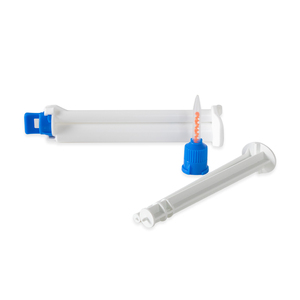
5ml Teeth Whitening Dual Barrel Syringe Clinic Double Barrel Syringe Dental Bright Kits
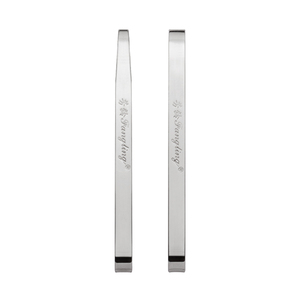
Popular Slanted Silver Eyebrow Tweezers Precise Trimming Tool Durable Comfortable Handle
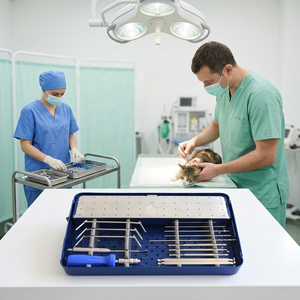
High Quality Reusable Basic Veterinary Surgical Instrument Kit for Dog Pet Operation
Strategic Sourcing Guide: Top Scalpel Handle Set Manufacturers in China
In modern surgical and clinical procurement, the surgical scalpel handle set serves as a foundational component of hospital operating theatres, outpatient clinics, veterinary practices, and specialized laboratory environments. Selecting a qualified OEM/ODM factory in China requires an in-depth evaluation of technical tolerances, metallurgical properties, passivation standards, and quality management systems (QMS). As global hospital networks and medical device distributors shift toward centralized, high-efficiency procurement models, understanding the engineering capabilities of top scalpel handle set exporters is paramount for mitigating supply chain risks and ensuring regulatory compliance.
Technical Insight: ISO 7740 and BS 2982 dictate the precise fitting dimensions for scalpel blades and handles. Top Chinese manufacturers employ multi-axis CNC milling to maintain slot tolerances within ±0.01 mm, eliminating blade play and ensuring effortless blade insertion and detachment under sterile operating conditions.
1. Metallurgy Matrix: Material Engineering for Scalpel Handles
Surgical instruments undergo continuous exposure to aggressive chemical disinfectants, high-pressure steam autoclave cycles (typically 134°C at 2.1 bar), and organic body fluids. The structural integrity and corrosion resistance of a scalpel handle are directly dictated by its steel selection. Top Chinese factories utilize martensitic and austenitic stainless steels optimized for distinct performance characteristics:
| Steel Grade | Material Type | Hardness Range (HRC) | Corrosion Resistance | Primary Clinical Application |
|---|---|---|---|---|
| AISI 304 (1.4301) | Austenitic Stainless | 20 - 25 HRC | Exceptional | Reusable Ergonomic Handles, Hollow Handles, Non-Cutting Diagnostic Tools |
| AISI 420 (1.4021) | Martensitic Stainless | 48 - 52 HRC | High (Post-Passivation) | Standard Surgical Scalpel Handles (#3, #4, #7), Micro-Surgical Forceps |
| AISI 440A (1.4109) | High-Carbon Martensitic | 54 - 58 HRC | Moderate to High | Heavy-Duty Bone Chisels, Premium Cutting Instruments, Trauma Shears |
| TC4 Titanium Alloy | Alpha-Beta Titanium | 36 - 40 HRC | Superior (Non-Magnetic) | MRI-Compatible Surgical Sets, Ultra-Lightweight Micro-Scalpel Handles |
During the manufacturing workflow, raw forged steel blanks undergo vacuum heat treatment followed by cryogenic tempering. This process transforms retained austenite into martensite, preventing micro-fractures and stress corrosion cracking (SCC) over long-term sterilization lifecycles.
Enterprise Advantages: Why Leading Medical Brands Partner with Us
Backed by over 25 years of surgical instrument manufacturing heritage and an ISO 9001:2015 certified infrastructure, our production facilities combine traditional master craftsmanship with modern automated CNC technology. We operate dedicated manufacturing cells for dental diagnostic tools, surgical scissors, trauma shears, and complete scalpel handle sets exported to over 60 countries.
Automated Passivation
Chemical citric/nitric acid passivation conforming to ASTM A967 standards creates a chromium-oxide protective layer, eliminating surface free-iron and preventing rust formation.
Laser Marking & Branding
High-precision fiber laser marking for corporate logos, GS1 DataMatrix UDI codes, and catalog part numbers resistant to repetitive chemical washings.
100% Functional Quality Control
Every scalpel handle, diagnostic probe, and surgical scissor undergoes individual dimensional check, lock-mechanism testing, and optical blade-slot verification prior to pouching.
Streamlined Export Logistics
Complete export documentation support including Certificate of Origin (Form E/FTA), CE declarations, ISO 13485 alignment data, and custom packaging boxes.
Rapid OEM Prototyping
Custom instrument designs transformed from 3D STEP files or physical master samples into production-grade prototypes within 14 business days.
Full Batch Traceability
Material certificates (EN 10204 3.1) attached to every heat-treat lot, ensuring transparent traceability from raw ingot to final sterile wrap.
Future Procurement & Industry Development Trends (2025–2035)
The global market for scalpels, surgical handles, and specialized operative kits is undergoing structural evolution. Hospital procurement officers, GPOs (Group Purchasing Organizations), and medical device importers must align their sourcing strategies with key technology shifts driving the industry forward over the next decade:
1. Transition to Ergonomic & Anti-Fatigue Handle Profiles
Traditional flat #3 and #4 scalpel handles are increasingly replaced by contoured, hollow-round, and silicone-overmolded designs. Micro-surgeons performing extended procedures demand handles with optimized center-of-gravity placement and textured cross-hatching (knurling) to reduce tactile pressure points and hand muscle fatigue.
2. Advanced Surface Coatings: PVD Nitride & Matte Anti-Glare Finishes
Under modern LED surgical lighting and high-definition endoscopic video towers, standard mirror-polished stainless steel produces blinding specular glare. Exporters are scaling up production of Physical Vapor Deposition (PVD) coatings—such as Titanium Nitride (TiN, gold finish) and Titanium Aluminum Nitride (TiAlN, matte black)—which increase surface hardness beyond 65 HRC while eliminating light reflections entirely.
3. Safety Scalpel Mechanisms & Blade Ejection Systems
Occupational safety mandates (such as OSHA bloodborne pathogen standards and EU Directive 2010/32/EU) are driving demand for handles featuring integrated single-handed blade ejectors or retractable protective shields. Reusable scalpel handles with push-button blade release features minimize sharps injury risk during perioperative handling and disposal.
4. Sustainable Green Metallurgy & Eco-Friendly Packaging
Healthcare systems are aggressively evaluating the carbon footprint of single-use disposable plastic scalpels versus reusable stainless steel handle systems. High-grade reusable surgical handles designed for 1,000+ sterilization cycles offer a significantly lower lifecycle environmental cost. Manufacturers in China are investing in closed-loop water filtration for electro-polishing plants and adopting 100% recyclable, plastic-free protective tray packaging.
Sourcing & Technical FAQ for International Buyers
Direct answers to critical technical, regulatory, and commercial queries managed by our global export sales division.
Surgical scalpel handles follow standardized ISO 7740 fitment fittings. No. 3 handles (including 3L long, 3 Graduated) feature a smaller fitting bayonet compatible with small blades #10, #11, #12, and #15. No. 4 handles (including 4L) utilize a larger fitting bayonet designed for heavy tissue blades #20, #21, #22, #23, and #24. Specialized #7 handles feature a slender, pen-like shaft ideal for deep, restricted surgical fields.
Our standard Minimum Order Quantity (MOQ) starts at 50 pieces per item for catalog surgical instruments and basic scalpel handles. For custom OEM projects involving custom laser engraving, unique pattern modifications, or specialized private-label packaging boxes, MOQ typically starts at 500 pieces per reference, subject to negotiation based on total contract value.
Every production lot undergoes rigorous quality testing per ISO 7153-1 standards. Samples are subjected to a boil test (ISO 13402) for 30 minutes in distilled water followed by cooling to check for corrosion spots. Furthermore, we perform copper-sulfate dip tests to ensure 100% surface passivation efficacy before final vacuum packing.
Yes. All export orders are accompanied by EN 10204 3.1 Material Certificates detailing the exact chemical composition (Carbon, Chromium, Manganese, Silicon content) and Rockwell hardness test results of the steel heat lot used in manufacturing.
Standard catalog items are processed and dispatched within 7 to 14 business days. Custom OEM manufacturing—including forging, CNC machining, heat treatment, laser marking, and custom pouch sealing—typically requires 3 to 5 weeks depending on order volume and complex tooling specifications.
Absolutely. Our factory operates under an ISO 9001:2015 quality system. We supply full technical files, EU MDR 2017/745 compliance declarations for CE marking, and FDA Device Registration documentation required by medical device importers in North America and Europe.
Partner with China's Premier Surgical Instrument Exporter
Streamline your medical instrument sourcing with direct factory pricing, uncompromised metallurgy, and guaranteed ISO quality standards.