CE Certified Industrial & Precision Tweezers
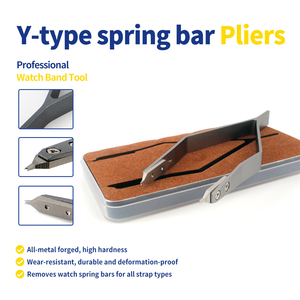
Stainless Steel Watch Tweezers Y-Shaped Spring Bar Tool for Watch Strap Removal Repair High Quality Watch Repair Tools Sample
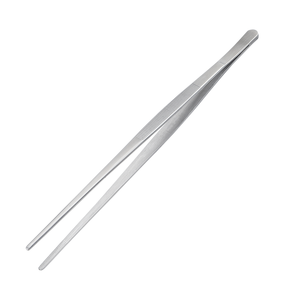
12 Inch Stainless Steel Chef Tweezers Wide Tipped Serrated Food Tongs For Cooking
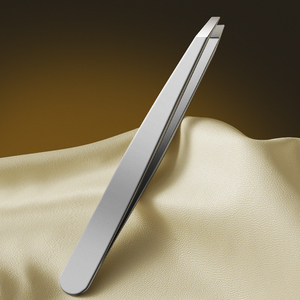
Effortless Hair Removal Stainless Steel Eyebrow Tweezers Ultra-slim Slanted Tip Tweezers for Precise Grip
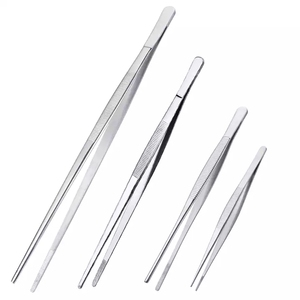
ZONWIN 12 Inch Stainless Steel Kitchen Chef Tweezers Sets Food Long Tong With Serrated Tips Food Tweezer For Cooking
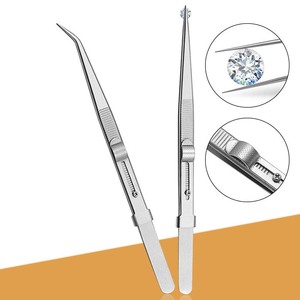
Adjustable Stainless Steel Diamond Jewelry Tweezers No-Groove Lock Anti-Slip Tip High Elasticity Anti-Magnetic
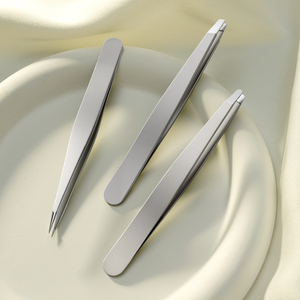
Ultra -slim Slanted Tweezers Professional Stainless Steel Eyebrow Facial Hair Removal Tweezers With Ultra Precision
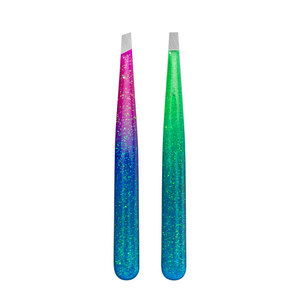
Makeup Eyelash & Professional Eyebrow Tweezers with Slanted Tip Stainless Steel Reusable
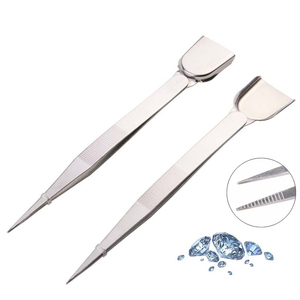
High Quality Stainless Steel Slotted Tweezers For Gemstones Diamonds Goldsmith's Loose Diamond Shovel Jewelry Tools Equipment
1. Strategic Procurement Blueprint: Sourcing CE Certified Stainless Steel Tweezers
In the global medical instrument, micro-electronics, and premium aesthetic supply chains, selecting reliable CE certified stainless steel tweezers factories and suppliers is a strategic decision that directly impacts operational safety, regulatory compliance, and brand integrity. The European CE mark is not merely a marketing badge; it signifies strict conformity with European Union safety, health, and environmental protection requirements, specifically within the Medical Device Regulation (MDR EU 2017/745) and general industrial safety directives.
As enterprise procurement directors navigate an increasingly complex international vendor landscape, understanding the technical underpinnings of surgical-grade instrument manufacturing is essential. Precision tweezers—whether designed for delicate ophthalmic surgery, micro-soldering in semiconductor manufacturing, gemological sorting, or high-definition aesthetic procedures—demand rigorous consistency in alignment, spring tension, and chemical passivation.
Regulatory Assurance
Full compliance with CE MDR requirements, backed by ISO 9001:2015 certified quality systems and complete FDA technical file accessibility for seamless North American and European import clearing.
Custom OEM/ODM Engineering
Comprehensive private label capabilities including custom tip geometries, specialized serration patterns, laser etching, and tailored physical vapor deposition (PVD) anti-reflective coatings.
Global Export Supply Chain
Established logistics infrastructure shipping verified instruments to over 60 countries across Europe, North America, the Middle East, and Asia-Pacific with standardized batch tracking.
2. Metallurgy & Precision Engineering Benchmarks
The performance of stainless steel tweezers is fundamentally governed by raw material selection, thermal processing, and cold-working technique. Leading manufacturing hubs, such as Sialkot—which produces a substantial share of the world's hand-crafted and CNC-finished surgical instruments—rely on specific grades of martensitic and austenitic stainless steel engineered to deliver high tensile strength, memory retention, and corrosion resistance.
Alloy Selection Matrix for Professional Tweezers
Different industrial and medical applications require tailored metallurgical properties. The table below outlines the primary stainless steel grades deployed in our CE-compliant manufacturing facilities:
| Steel Grade | Material Type | Hardness (HRC) | Corrosion Resistance | Primary Industrial Application |
|---|---|---|---|---|
| AISI 410 / 420 | Martensitic Stainless Steel | 42 – 48 HRC | High (Passivated) | Surgical dissecting forceps, heavy-duty chef tweezers, beauty nippers requiring sharp edge retention. |
| AISI 440A / 440C | High-Carbon Martensitic | 52 – 58 HRC | Moderate to High | Ultra-fine point micro-tweezers, high-wear industrial pick-up tools, diamond sorting tweezers. |
| AISI 304 (18/8) | Austenitic Stainless Steel | Non-Hardened (Work Hardened) | Exceptional | General food-grade chef tongs, laboratory sampling tweezers, chemical exposure environments. |
| AISI 316L / Anti-Mag | Low-Carbon Austenitic | Work-Hardened Spring Tension | Maximum / Chemical Proof | Micro-electronics, cleanroom assembly, watchmaker spring-bar tools, anti-magnetic semiconductor tweezers. |
Precision Tip Calibration & Surface Passivation Chemistry
A major technical differentiator for top-tier suppliers lies in tip alignment and surface treatment protocols:
- Micro-Alignment Tolerance: High-end OEM tweezers undergo optical comparator inspections to ensure tip closure alignment within ±0.01 mm. This prevents tip crossing under application pressure, allowing operators to pick up micro-components or individual hair follicles without slippage.
- Chemical Passivation (ASTM A967 Standard): Following machining and polishing, instruments undergo citric or nitric acid bath immersion to dissolve free iron contaminants from the surface layer. This process forms a passive chrome-oxide layer ($Cr_2O_3$) that guarantees resistance to repeated autoclave sterilization cycles ($134^\circ\text{C}$) and corrosive chemical washing.
- Anti-Magnetic Permeability: For specialized electronics and horological applications, 316L grade alloys are treated to maintain a magnetic permeability ($\mu$) near 1.0, ensuring delicate balance springs and micro-chips remain completely unmagnetized during assembly.
3. Enterprise Manufacturing Advantages & Sialkot Heritage
Building upon a manufacturing legacy established in 1995, our production facilities combine traditional hand-finishing craftsmanship with modern computerized numeric control (CNC) machining and automated laser cutting. Operating out of the world-renowned instrument manufacturing ecosystem of Sialkot, Pakistan, our enterprise provides distinct competitive advantages for global B2B procurement partners:
ISO 9001:2015 Traceable Quality System
Every production lot is documented from raw billet intake to chemical batch certification. In-house testing includes Rockwell C hardness verification, salt-spray corrosion chamber testing, and tension fatigue testing.
Integrated OEM & Private Label Services
We provide end-to-end brand realization. Our facility houses high-precision fiber lasers for permanent crisp logo marking, part number etching, and barcode serialization, complemented by customized blister packing and executive leatherette kits.
Versatile Product Customization
From non-groove locking slides for diamond tweezers to Y-shaped spring bar tips for luxury watchmakers, our engineering team works directly from CAD drawings or physical client samples to refine tool ergonomics.
Economies of Scale & Supply Chain Resilience
Mass-scale raw material sourcing combined with efficient localized manufacturing enables competitive unit economics without compromising international quality standards or extended lead times.
4. Future Procurement & Sourcing Trends (2025–2030)
As global supply chains adapt to evolving regulatory environments, technological advancement, and sustainability directives, buyers of stainless steel tweezers must stay ahead of key market shifts:
A. Automation & Robotic-Assisted Manufacturing
While hand-craftsmanship remains vital for fine tip calibration, leading factories are increasingly integrating 5-axis CNC grinding and automated robotic polishing. This hybrid approach eliminates human error in baseline geometry while preserving artisanal attention to final tip tension.
B. Environmental, Social, and Governance (ESG) Compliance
Modern European and North American buyers require transparent vendor auditing. Future-ready manufacturers are shifting toward closed-loop water recycling systems for polishing lines, eco-friendly acid-free electro-polishing solutions, and zero-plastic recyclable packaging alternatives.
C. High-Performance Surface Coatings (PVD & Titanium Nitride)
There is growing demand for technical coatings that increase surface hardness ($>70\text{ HRC}$) and reduce glare in surgical operating rooms or under high-magnification electronics microscopes. Physical Vapor Deposition (PVD) treatments—including Matte Black DLC (Diamond-Like Carbon), Gold TiN, and Rainbow Plasma—are expanding rapidly across both medical and beauty sectors.
5. Enterprise B2B Procurement FAQ
Addressing the technical, regulatory, and commercial inquiries most frequently raised by international purchasing managers and medical distributors:
Partner with a Certified Precision Instrument Manufacturer
Streamline your supply chain with CE-certified, ISO-compliant stainless steel tweezers engineered for exact performance. Request our complete product catalog and OEM price sheet today.